Tesla expands Florida robotaxi tests before earnings
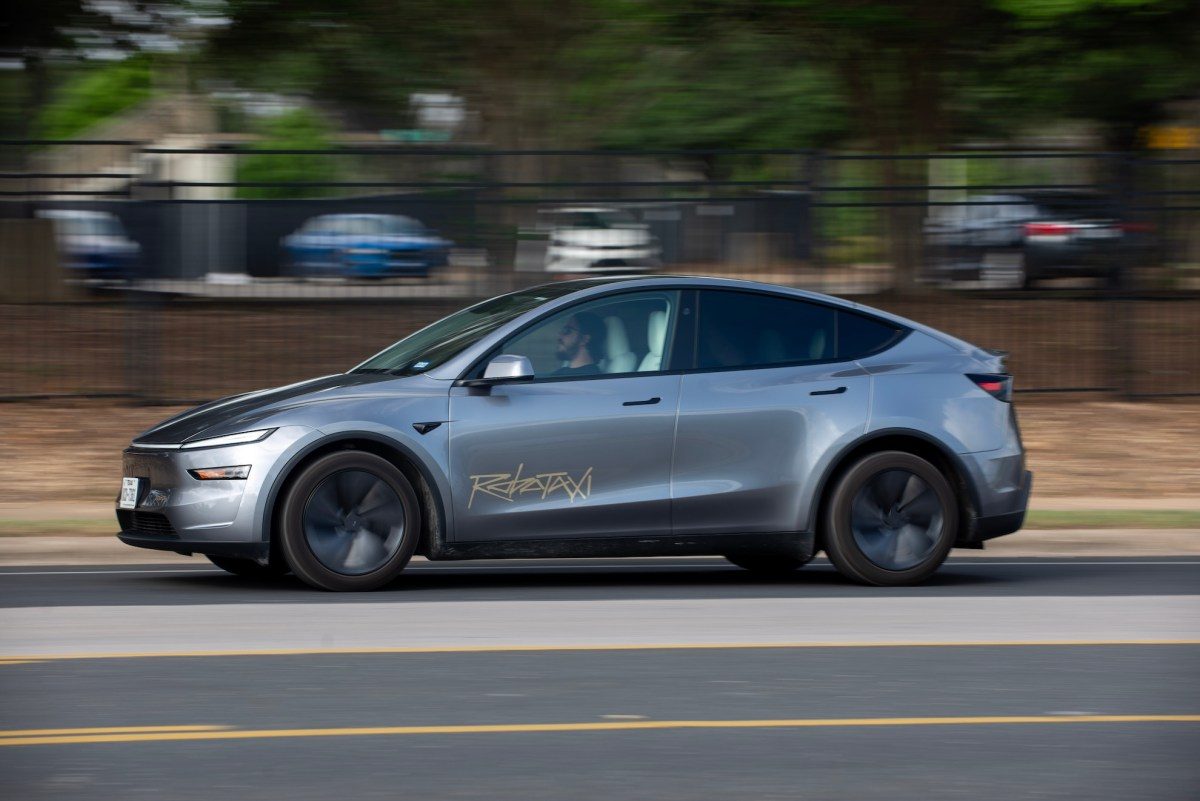
Tesla has launched unsupervised robotaxi trials in Orlando and Tampa, a measured expansion that highlights the ongoing gap between Elon Musk's ambitious promises and the company's actual commercial rollout.
Tesla has deployed an unspecified number of unsupervised Model Y SUVs in Orlando and Tampa. The move comes just one day before the electric vehicle maker's second-quarter earnings call, extending a pilot programme that began in Miami.
The operational zones in the two new cities remain small, and the company provided no additional details about the launch. Tesla disbanded its press office years ago, leaving investors and analysts to piece together the scale of its operations. Earlier this year, the carmaker similarly announced autonomous fleets in Dallas and Houston ahead of its first-quarter earnings release. Yet those Texas operations have yet to scale, raising questions about whether the Florida trials will follow a similar trajectory.
For European investors tracking the company, the Florida launches underscore a persistent disconnect between corporate rhetoric and actual execution. CEO Elon Musk has repeatedly claimed that Tesla’s robotaxis would serve half the U.S. population by the end of 2025. The current, highly localised trials suggest the company is taking a far slower path to a commercial service than those projections implied. Musk offered more metered comments on the first-quarter earnings call, but the underlying pace of deployment remains a critical metric for valuing the automaker's autonomous ambitions.
The regulatory environment in the United States, however, is shifting in a way that could eventually accelerate this timeline. Last month, the Department of Transportation under the Trump administration proposed a rule change that would no longer require brake pedals to be built into cars designed to be autonomous.
If adopted, this regulatory easing could clear the path for Tesla to deploy its dedicated robotaxi hardware. The company has been staging dozens of its two-seater Cybercabs in cities across the country. For European automotive manufacturers and investors, this regulatory divergence is highly significant. While the EU continues to enforce strict physical safety requirements for vehicles, the US is actively removing traditional hardware mandates to pave the way for fully driverless fleets.