Halliday made 2025’s worst smart glasses. Its camera-free comeback is aimed at your meetings.
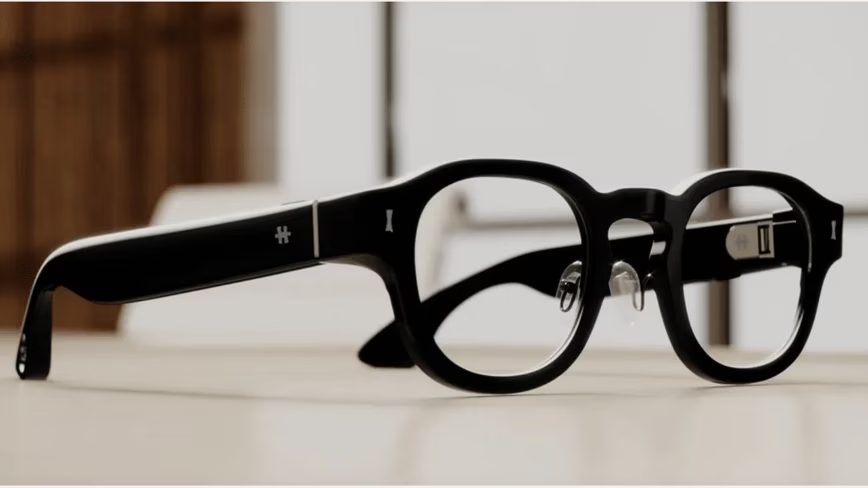
It is rare that a crowdfunded hardware startup gets a second shot at a first impression. Halliday is taking it. The company unveiled the G2 on Tuesday, priced from $499, shipping in September. A brutal first act The original glasses were panned. Engadget scored them 54 out of 100, one of the lowest marks in […] This story continues at The Next Web
It is rare that a crowdfunded hardware startup gets a second shot at a first impression. Halliday is taking it. The company unveiled the G2 on Tuesday, priced from $499, shipping in September.
The original glasses were panned. Engadget scored them 54 out of 100, one of the lowest marks in its history. Android Police gave 5 out of 10 and called them a “buzzword-laden curiosity.”
The culprits were a fiddly projector display mounted by your eye, tinny speakers, and a laggy control ring. Chief operating officer Carter Hou owns it. He told Engadget the company made “many mistakes,” and has since rebuilt its engineering and supply-chain teams.
The G2 drops the tricks. The projector is gone, replaced by waveguide displays, one per eye, at 1,600 nits. The much-hated ring is gone too, swapped for a touchpad on the arm. So is the fussy charging port, and there is still no camera, by design.
The early hands-ons are kinder. The screen is easier to see, and a four-mic array caught commands in a noisy bar. The Verge , no fan of the original, now calls the G2 “better glasses.”
The bigger change is the point of the thing. Halliday has aimed the G2 at work meetings . Its Meeting Flow runs AI agents live during a conversation: one tracks threads, another flags decisions, a third nudges you for commitments before everyone leaves the room. A summary lands in the app afterwards.
Hou’s argument is that rivals like Plaud only help after the meeting. Everyday features round it out, including translation in 45 languages, a “Hey Halliday” assistant, an auto-scrolling cheatsheet, calls, and music.
Then there is the startup risk. Halliday wants a $10 deposit now and the rest on shipping, the same crowdfunding model that left first-generation backers waiting.
Whether a screen-free, AI-first pair of glasses finds a real job, rather than another buzzword bingo card, is what the G2 has to prove.