UK airport drop-off fees rise by a third, diverging from free EU hubs
Major UK airports have increased forecourt drop-off charges by a third to enforce public transport mandates, raising business travel costs and widening the pricing gap with free European hubs.
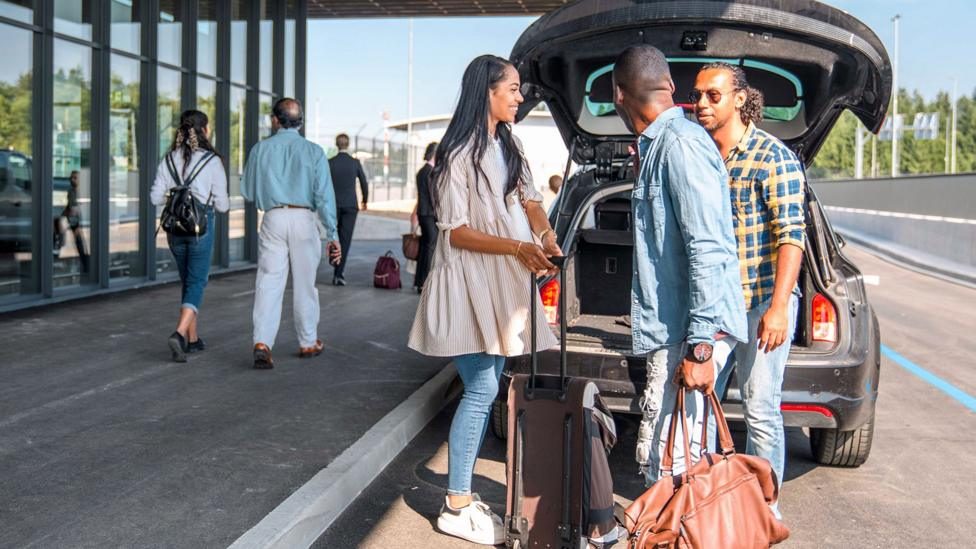
Drop-off fees at the UK’s busiest airports have increased by an average of a third since last summer. An analysis by the RAC found that 16 of the 20 largest UK aviation hubs have raised their forecourt charges over the past year.
London Gatwick and London Stansted now charge £10 for the closest terminal access, offering 10 and 15 minutes respectively. London City Airport introduced an £8 fee for five minutes this year, making it the most expensive on a per-minute basis at £1.60.
This pricing strategy sharply contrasts with the rest of the continent, as RAC research shows none of the top 10 European Union airports charge for drop-offs. The divergence creates a distinct cost disadvantage for UK aviation hubs and directly inflates corporate travel budgets across the region.
Industry leaders argue the escalating costs are becoming an unsustainable burden for companies. Clive Wratten, chief executive of the Business Travel Association, noted that justifications for the fees have shifted repeatedly from environmental goals to congestion management and now offsetting tax rises.
"The goalposts have moved so many times now that the credibility of any justification has long since gone," Wratten stated. His comments reflect growing frustration among corporate buyers of air travel who are absorbing the rising expenses.
UK airports and government officials defend the charges as essential tools for managing congestion and meeting strict climate objectives. At Gatwick, the fee hike is directly tied to infrastructure expansion, as the Transport Secretary mandated that 54% of passengers must use public transport to approve a second runway.
A Gatwick spokesperson explained that the charges are designed to discourage quick drop-offs and encourage the use of the airport's links to 120 train stations and 24/7 bus routes. The airport maintains that free drop-offs remain available at long-stay car parks with shuttle services, and Blue Badge holders are exempt.
Trade body Airports UK echoed this sentiment, stating that fees are necessary to manage local air pollution and traffic concerns mandated by authorities. However, RAC senior policy officer Rod Dennis criticized the practice, arguing that exploiting a captive audience is completely at odds with global airport operations.
The pricing pressure is expected to extend across the UK's aviation network in the coming years. Heathrow may face similar requirements to deter private car usage if it seeks approval for a third runway, signaling a long-term structural shift in how UK airports manage ground transport.