China's worker-writers expose supply chain realities
A Chinese food delivery rider winning the country's top literary prize highlights a grassroots literary movement that lays bare the human cost of the globalized economy European markets depend on.
Last week, Wang Jibing, a 56-year-old food delivery rider, won China’s top literary award. His victory follows the viral success of a poem about his experiences in 2022 and cements a growing trend of working-class authors gaining mainstream attention.
This cultural shift offers European businesses and investors a stark look at the foundations of their supply chains. Wang's award coincides with the international success of similar accounts, such as Hu Anyan’s bestseller I Deliver Parcels in Beijing and Xiao Hai’s factory memoir Adrift in the South, which was published in English in May.
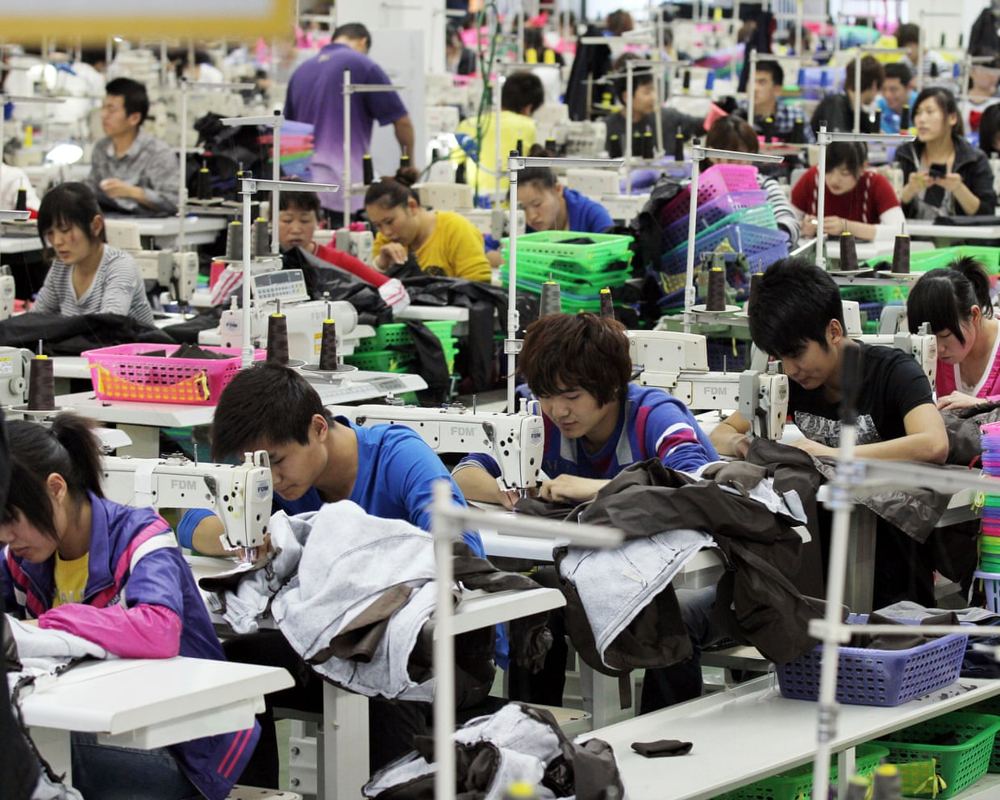
Unlike the state-directed literature of the Mao era, which portrayed heavy labour as a collective transcendence, these modern texts focus on individual despair. Xiao Hai, who was forced onto assembly lines at 15, writes of his "bitterness and regret … when I realise I let the best decade of my life slip away from me on the factory floor."
For European companies relying on Chinese manufacturing and logistics, these narratives delineate the unsavoury underpinnings of the globalised economy. The poetry of Xu Lizhi, a Foxconn worker who took his own life in 2014, reflects a pervasive sense of worker insignificance and replaceability that sits beneath the surface of low-cost production.
The Communist party maintains strict limits on this expression, showing little tolerance for writing that touches on corrupt officials or collective organisation. Zheng Xiaoqiong’s Woman Worker has never been issued in full because publishers demanded extensive changes, while many grassroots writers risk having their online posts deleted.
The popularity of these books is partly driven by a growing sense of precarity among China’s middle classes. Labourers have borne the brunt of the country's breakneck development, but white-collar workers now share deep concerns about the nation's economic path. For European investors, this widespread anxiety signals a fragile consumer base and potential social friction ahead.
Despite censorship, these accounts resonate globally. I Deliver Parcels in Beijing has been sold to 16 countries, with an English edition released last year. The phenomenon exposes a gap in Western markets, raising a pointed question for European readers: where is the English-language bestseller by an Amazon warehouse operative?