Brussels warns all EU states over green buildings delays
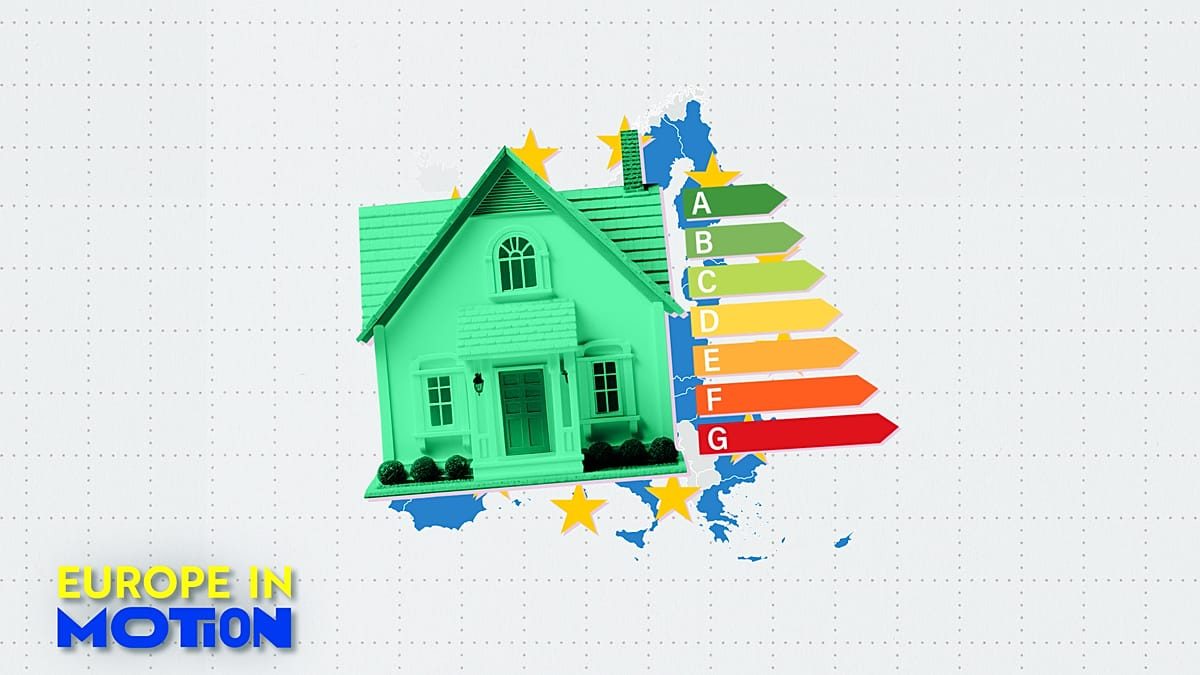
The European Commission has issued formal warnings to every member state for missing a deadline to implement the Green Homes Directive, exposing a deep divide in retrofitting Europe's largest energy-consuming sector.
The European Commission has opened an infringement procedure against every EU member state for failing to transpose the Energy Performance of Buildings Directive into national law by the 29 May 2026 deadline. All countries have received a letter of formal warning. The move highlights the bloc's struggle to mandate the modernisation of its largest energy consumer.
For the construction and green technology sectors, the uniform failure to implement the rules signals prolonged regulatory uncertainty. The directive aims to phase out subsidies for fossil fuel boilers in favour of heat pumps and solar panels. Without national laws in place, companies lack the guaranteed frameworks needed to scale up investments.
Eurostat data shows the underlying market is expanding, but unevenly. Around one in four EU citizens now lives in a more energy-efficient building than six years ago. The pace varies drastically, with the Netherlands leading at a 60.5% upgrade rate, followed by Denmark, France and Slovenia at roughly a third each, while Italy sits at just 3%.
Malta and Greece are similarly lagging, with rates of 8% and 9.5% respectively. This disparity reflects intense political resistance to the costs of mandatory upgrades. Italy’s environment and energy security minister, Gilberto Pichetto Fratin, questioned the financial viability of the targets.
"It's not a question of agreeing or not with the EU, but rather of numbers," he said. "How can we intervene by 2033 and make a couple of pensioners spend €50,000 to bring their home to energy class B?"
The backlash is not limited to southern Europe. Germany’s former housing minister, Klara Geywitz, argued it is wrong to force citizens to renovate or sell their properties to meet the new standards. This political friction suggests governments remain deeply wary of passing the costs of the energy transition directly onto consumers.
Despite the legal warnings, some structural progress is emerging. Eight member states—Belgium, Bulgaria, Croatia, Finland, Lithuania, Romania, Slovenia and Spain—have submitted draft National Building Renovation Plans outlining targets and investment needs.
The Commission views these plans as a critical upgrade. Previous strategies "lacked a harmonised structure, common indicators and binding milestones across the Union," it noted. The remaining states have until 31 December 2026 to submit their final plans.