Eleven hospitalised after wild mushroom foraging in Montana
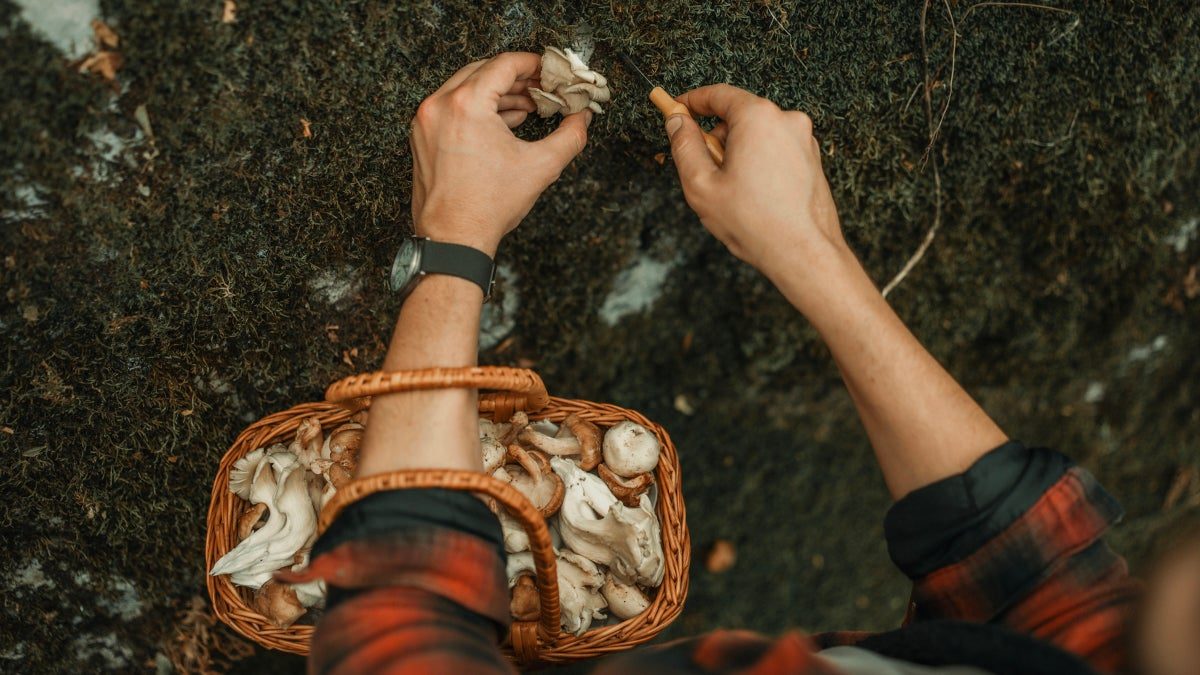
A mass poisoning in Montana highlights the lethal risks of wild mushroom foraging, a danger increasingly relevant as European foraging grows in popularity.
Ten adults and one minor are in hospital, seven in serious condition, after eating wild mushrooms foraged outside Yellowstone National Park in Montana. Emergency personnel responded to a private home in Park County on the evening of July 27.
Jon Ebelt, a spokesperson for the Montana Department of Health and Human Services, said authorities believe this is an isolated incident with no ongoing threat to the general public. He noted there is no indication the poisoning is tied to restaurants or grocery establishments.
While the incident occurred in the American West, it underscores a universal public health hazard. Foraging has surged in popularity across Europe, driven by the farm-to-table movement and a desire for natural foods, a trend that brings amateurs into regular contact with deadly toxins.
The risks are statistically significant. The Northwest Mushroomers Association reports approximately 7,400 poisonings from ingesting wild mushrooms each year in the U.S. alone, resulting in about three deaths. In March, a separate outbreak in California killed four people and sickened 40 others.
Montana is home to hundreds of mushroom species, most of which are not edible, according to Cathy Cripps, a mycologist with Western Montana Mycology. “While only a few are potentially deadly, there are quite a few that can make you sick or simply don’t taste good,” Cripps said. “Folks should stick to the well-known choice edibles.”
Officials have not disclosed the specific mushroom consumed in the recent case. However, a common point of confusion in the region involves the highly prized morel mushroom and its toxic cousin, the false morel. False morels contain gyromitrin, a dangerous toxin that can cause severe illness or death.
Even edible varieties carry hidden dangers if mishandled. True morels are poisonous when raw and must be cooked thoroughly. “They need to be cooked until crispy, as true morels are also poisonous raw,” Cripps said.
The deadliest mushroom toxins act deceptively. “The most deadly mushrooms do not cause any symptoms for a few hours, then vomiting might occur, and while the patient seems to be recovering, the cyclopeptide toxins are moving through the bloodstream, destroying liver and kidney cells, which is potentially deadly,” Cripps explained. Just seven milligrams of these natural poisons—equivalent to a quarter of a grain of rice—is enough to kill an adult.
Cripps advises foragers to rely on reputable books or experienced individuals for identification, explicitly warning against using artificial intelligence. “There are no shortcuts,” she said. Furthermore, foraged mushrooms must be kept cool during transport to prevent bacterial growth, and cooked thoroughly. “Bottom line: treat mushrooms as you would treat chicken,” Cripps added.