Sustained municipal funding drives post-pandemic cultural sector recovery
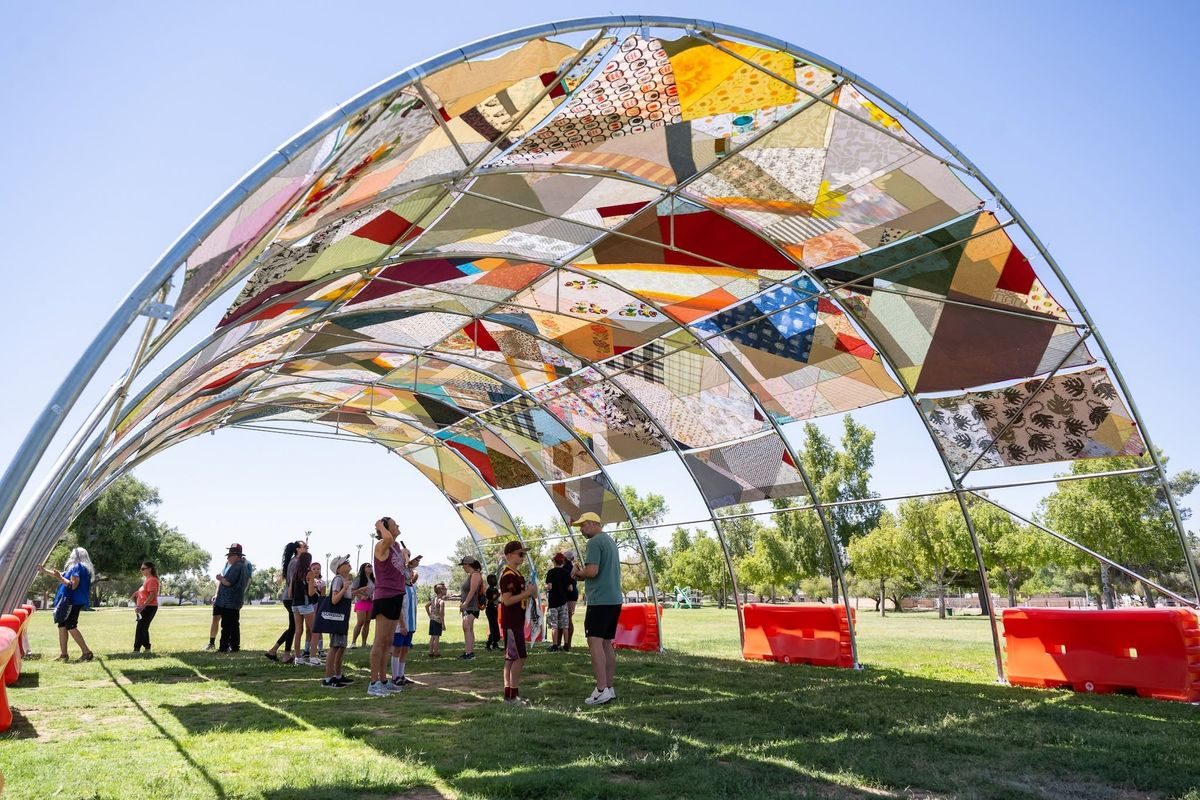
A new analysis of ten US cities reveals that even modest increases in local government arts funding directly correlate with stronger attendance and financial resilience, offering a clear blueprint for European municipalities managing cultural budgets.
Municipal investment in culture is a decisive factor in the financial survival of arts organisations, according to a new analysis of ten US cities between 2019 and 2024. The report by SMU DataArts at Southern Methodist University demonstrates that cities maintaining or growing local arts funding experienced stable or improving sectors, while those cutting support faced severe contraction.
This dynamic holds significant implications for European city planners and cultural investors navigating tight public budgets. The research indicates that public funding acts as a critical catalyst, leveraging additional private and corporate revenue rather than merely substituting for it.
Phoenix and Sacramento illustrate this stabilising effect. In Phoenix, local arts agency support grew fourfold, rising from 0.85% of cultural organisations’ budgets in 2019 to 4.2% in 2024, driving a notable rebound in audience engagement. Similarly, Sacramento’s Office of Arts and Culture increased its backing from under 5% to over 8%, allowing local groups to regrow ticket sales and reduce reliance on contributed income.
Conversely, Philadelphia serves as a stark warning of the consequences of deprioritising the arts. The city’s cultural agency budget coverage fell from 7% of local expenses in 2019 to just 1% in 2024, with per capita grants dropping from 10 cents to 1 cent.
This reduction occurred even as Philadelphia’s overall municipal budget expanded from $4.7bn to $6.2bn, outpacing inflation. The cultural sector subsequently suffered the steepest workforce reductions among the surveyed cities, with full-time staffing falling 47% and revenues declining 26%.
David Andersson, arts research lead at Bloomberg Associates, which underwrote the study, notes that local government support typically ranges between 5% and 10% of an organisation’s total expenses. Yet this relatively small contribution provides a vital stamp of approval, signalling to private foundations and corporate sponsors that an institution is financially viable.
This leveraging effect was evident in New York City’s Covid-19 Response and Impact Fund, which raised over $100m for nonprofit arts and human services groups in 2020. Eligibility for this private consortium funding explicitly required organisations to already be recipients of city or state government support.
Jen Benoit-Bryan, executive director of SMU DataArts, emphasises that while direct causation requires careful interpretation, the clustered declines in cities like Philadelphia are impossible to ignore. For European municipalities, the data suggests that protecting modest levels of public arts funding is a highly efficient mechanism for safeguarding both cultural participation and local creative economies.