National Theatre stages ambitious Sophocles-Bergman merge
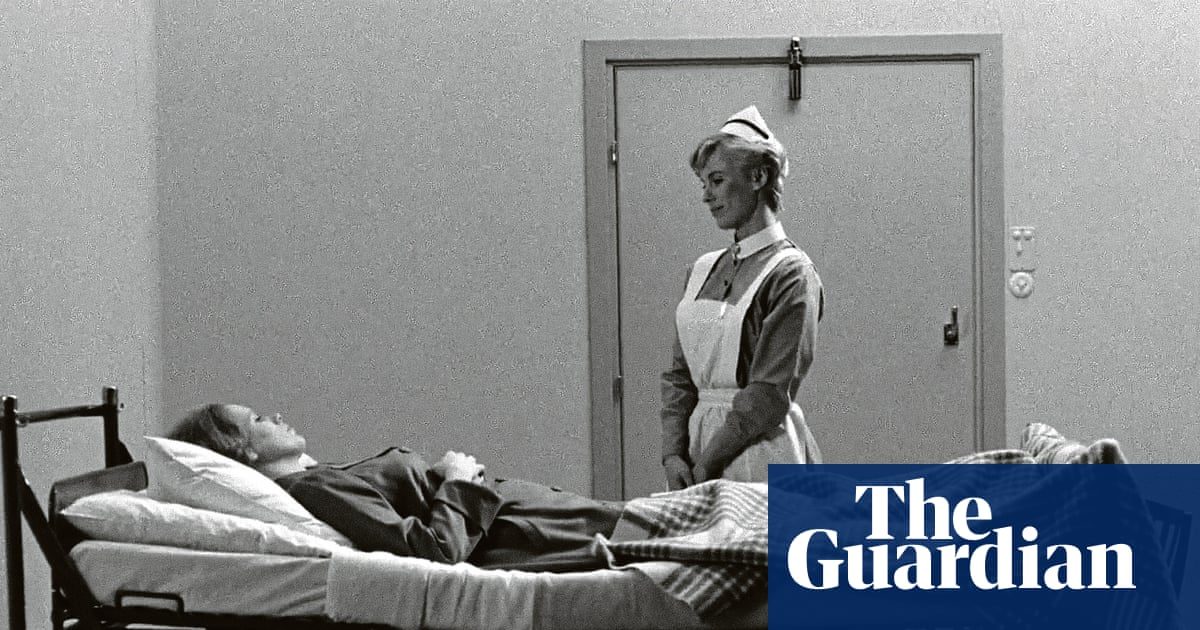
The National Theatre is pairing Sophocles’ Electra with Bergman’s Persona in a role-swapping production starring Cate Blanchett and Nina Hoss, a high-stakes gamble that underscores London’s enduring pull for international star power.
The National Theatre will open a new production that merges Sophocles’ ancient Greek tragedy Electra with Ingmar Bergman’s 1966 film Persona. Director Benedict Andrews has structured the evening as a single, hinged work, separating the two halves with a staged transition. "I think it’s become clear in rehearsal that the whole evening is one cycle of grief," Andrews said.
The production’s primary draw is its central casting mechanism. Cate Blanchett and Nina Hoss will alternate the roles of Electra and Clytemnestra, as well as Persona’s Elisabeth and Alma, swapping parts on a nightly schedule. The theatre box office will not tell ticket buyers which actress is playing which role on any given night.
Rehearsing four separate casting permutations has required significant logistical effort. "Yeah. Long rehearsal days," Andrews said. "I think it’s really important to do both every day. Although they require very different energies." To manage the text, Andrews kept a writer on hand. "We have this joke with the cast about there having been a writer. We call him Dominic. He was chained to a table for two weeks here to do rewrites but now we’ve put him on a trawler back to Iceland."
For London’s theatre economy, securing Blanchett and Hoss for an extended, structurally complex run represents a major commercial and cultural coup. It also highlights a growing Australian directorial presence dominating the capital's high-end stages. Alongside Simon Stone and Kip Williams, Andrews is part of a wave of expats bringing radical reinterpretations to classic texts.
Andrews explicitly connects the resurgence of Greek tragedy on European stages to contemporary geopolitical instability. He noted that ancient Greek plays were created during the rise and fall of an imperial warring empire, drawing a direct line to the present. "We are watching that with American imperialism now," Andrews said. "We grew up with the idea that the US – our Rome, our Athens – was a military might but also a cultural might. And it’s breaking apart."
This structural disruption of classic texts has occasionally drawn criticism from theatrical traditionalists. Reflecting on his early career in Australia, Andrews recalled receiving letters saying he had "taken Coca-Cola and poured it into a vat of fine malt whisky." He rejects the premise that he is disrupting classics, arguing instead for a deeper excavation. "I’m trying to access the mythic power in the piece; X-ray the inner meaning," he said.