Tomorrowland appeals for return of stolen artwork as security tightened
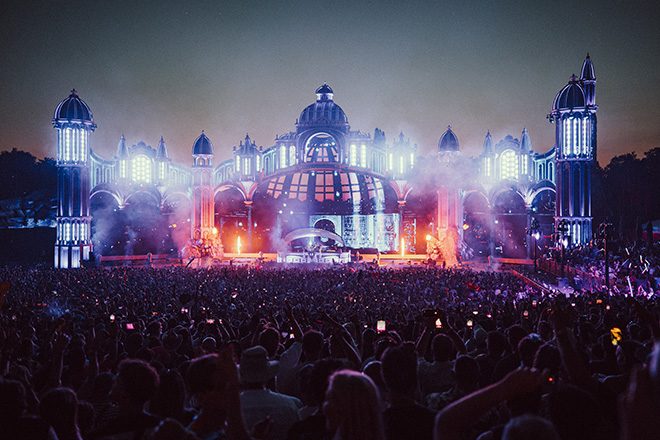
The Belgian music festival is urging the return of a stolen commissioned painting and has pledged tighter security measures, highlighting operational challenges for large-scale European events.
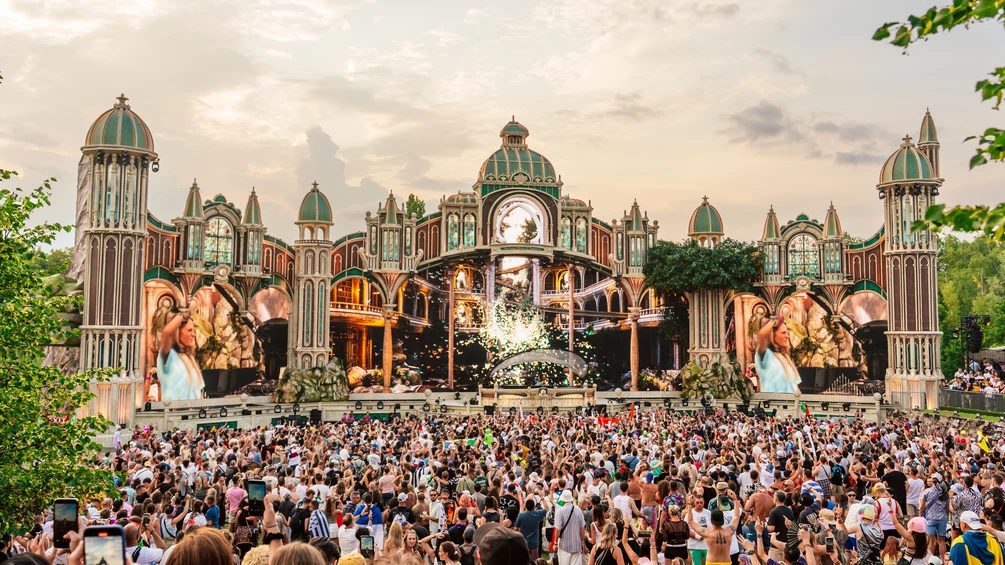
Tomorrowland has issued a public appeal for the return of a commissioned painting stolen during the first weekend of this year’s festival in Belgium. The artwork, titled ‘Desire’, was taken from the Tomorrowland Restaurant between July 17 and July 19. It was one of six commissioned works originally hanging in the area.
A second stolen piece, named ‘Love’, was recently returned to the Lab of Tomorrow in Boom following an initial appeal. Festival spokeswoman Debby Wilmsen noted that a very honest couple brought the artwork back, a gesture the organisation appreciated enormously.
The ‘Desire’ painting remains missing after being taken on the final day of the first weekend, despite existing security in the area. Wilmsen framed the theft diplomatically, calling it a compliment that the artworks are appreciated, but urged for the painting’s prompt return. She added it would be nice if the Consciencia paintings could shine for festivalgoers a little longer ahead of the second weekend.
The incident underscores the logistical and security vulnerabilities inherent in managing massive temporary gatherings. Protecting high-value cultural assets in open, high-traffic environments presents a unique challenge for event operators. In response, festival organisers have committed to implementing enhanced security measures for the subsequent edition to prevent further losses.
Beyond asset protection, the festival faces broader operational constraints driven by public safety mandates. Ahead of its second weekend, which took place from July 24 to July 26, Tomorrowland was forced to limit pyrotechnics and curb all large-scale fireworks.
The Mayor of Boom confirmed that no high-speed fireworks would be permitted due to a code orange wildfire warning across all local nature reserves. This coordination between event organisers and municipal authorities reflects the increasing regulatory scrutiny on large-scale entertainment venues. Balancing commercial entertainment with environmental and public safety risks remains a critical operational priority for European festivals.