FTSE 100 hits record high as BP exits North Sea and Middle East tensions hit airlines
The FTSE 100 reached a fresh record high despite mounting geopolitical headwinds that are squeezing airline profits, dampening the housing market, and prompting BP to divest its North Sea operations.
The FTSE 100 index climbed 0.7% in early trading to reach a record high of 10,981.83, driven by gains in the banking and technology sectors. However, this milestone masks growing economic friction across the UK and Europe as geopolitical conflicts and corporate setbacks reshape market dynamics.
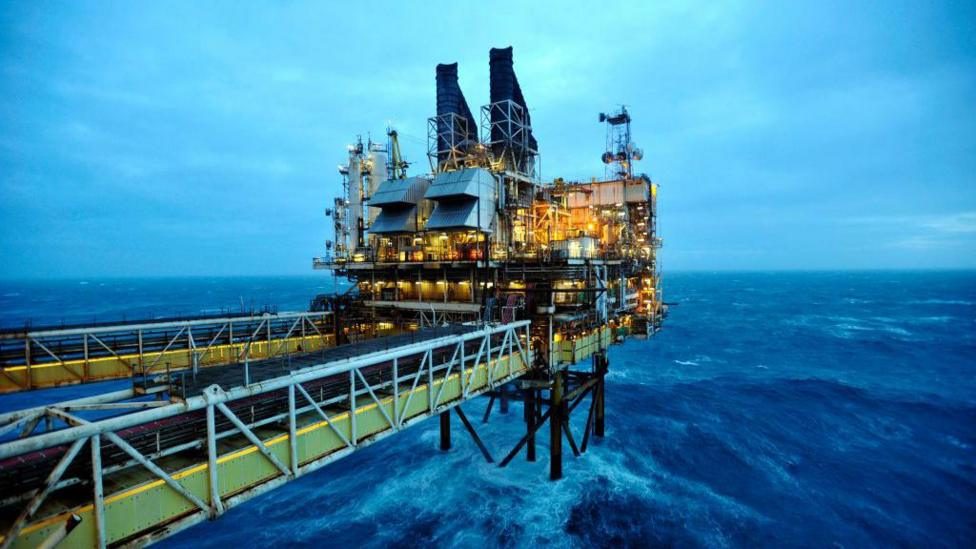
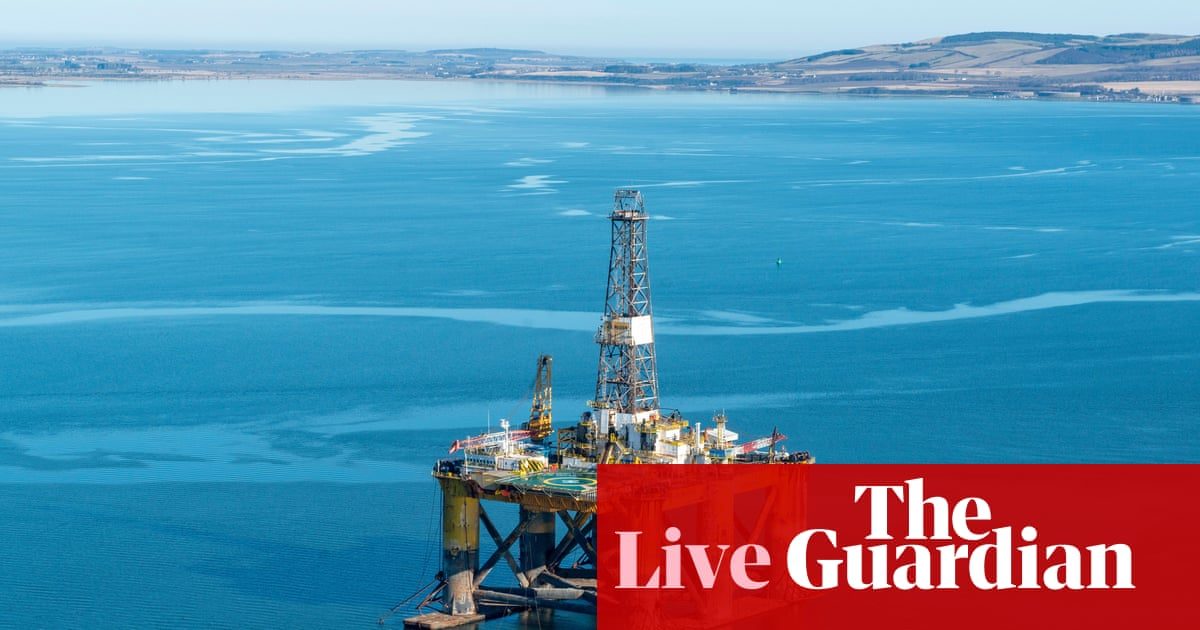
In a major strategic shift, BP announced it is selling its North Sea oil business. Chief executive Meg O’Neill stated the company will redirect capital toward higher-value opportunities, leaving the future of the assets to a new owner.
The divestment comes amid political debate over domestic energy production. Prime Minister Andy Burnham recently indicated a pragmatic openness to increased North Sea extraction to address energy pressures, despite strong opposition from environmental campaigners.
Geopolitical instability is already extracting a tangible toll on European business. International Airlines Group reported a 21% drop in first-half after-tax profit to €1bn, even as revenue rose 1% to €16bn.
Chief executive Luis Gallego attributed the margin compression to significant fuel price increases following attacks on Iran and the subsequent closure of the Strait of Hormuz. The group expects no growth in passenger capacity this year as a result.
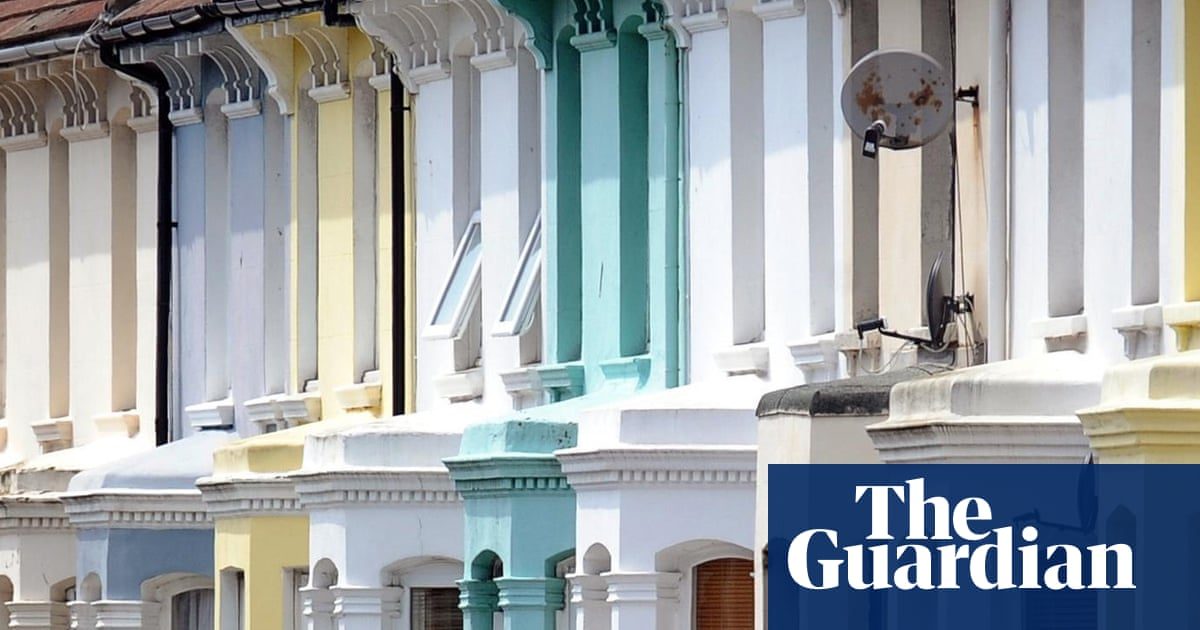
The uncertain economic backdrop is also cooling the UK property market. Nationwide reported that house prices edged up by only 0.1% in July to an average of £277,542, with annual growth slowing to 1.8%.
Robert Gardner, chief economist at Nationwide, noted that market activity remains soft. He highlighted that ongoing conflict between the US and Iran continues to exert upward pressure on energy prices and market interest rates.
Within the London blue-chip index, corporate performance was sharply divided. NatWest Group surged 3.6% after upgrading its financial outlook, while the Polar Capital investment trust gained 4.3% on artificial intelligence exposure.
Conversely, Melrose Industries plummeted 6.3% to become the index’s biggest faller. The aerospace company paused its £175m share buyback programme following a chemical leak at its Garden Grove facility in California.
The incident has already cost the firm £16m in lost revenues and £13m in exceptional costs, with another £25m to £30m expected in the second half of the year. Chief executive Peter Dilnot confirmed partial production has resumed while the company works with regulators.
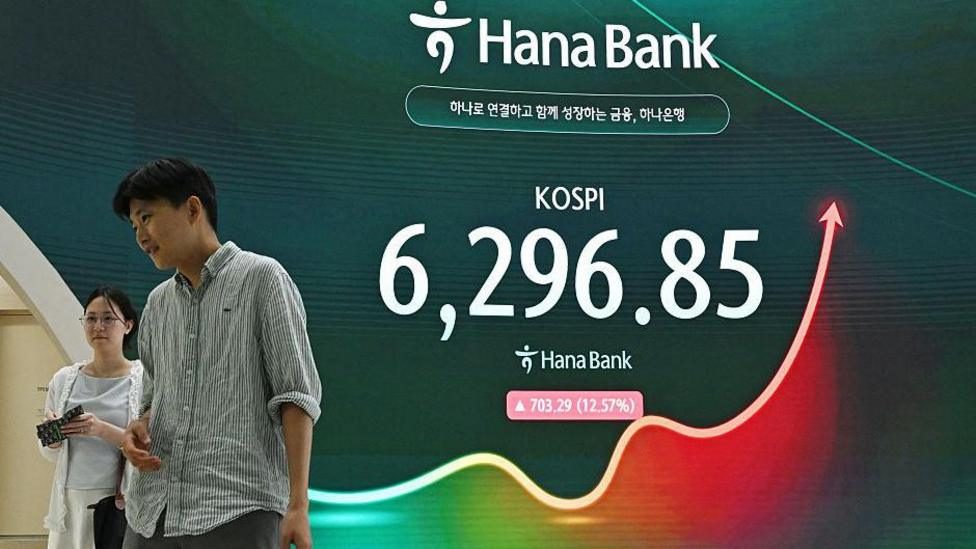
Beyond Europe, global market volatility remains extreme. South Korea’s Kospi index recorded its largest single-day increase in history, surging 17.91% as chipmakers SK Hynix and Samsung Electronics rallied on artificial intelligence demand.
Yet analysts warn this momentum may be unsustainable. Sergi Lanau at Oxford Economics described sentiment in Korea as frothy, prompting his firm to lower its weighting on the broader emerging market complex to neutral.