Ceuta Businesses Close and Festivities Cancelled After 60,000 Migrants Arrive
The sudden arrival of tens of thousands of migrants has paralyzed local commerce and strained public services in the Spanish enclave, highlighting the fragility of border regions during migration surges.
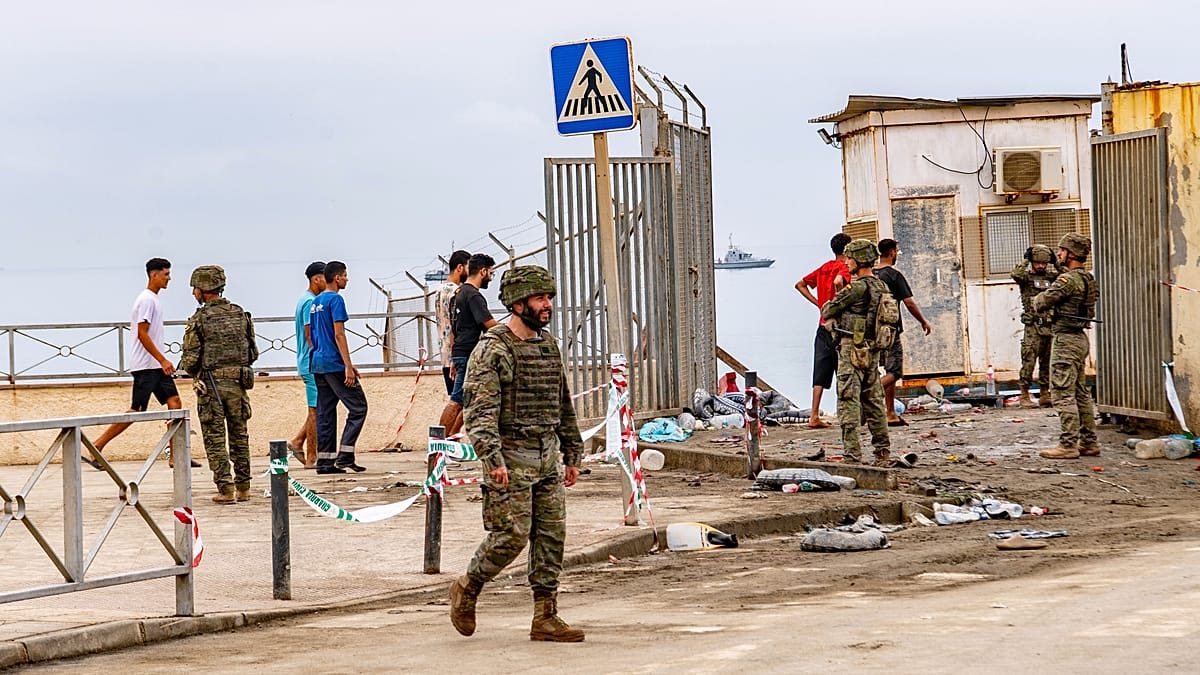
The Spanish autonomous city of Ceuta has effectively shut down following the irregular arrival of approximately 60,000 migrants from Morocco since early Thursday. Local authorities have suspended this weekend’s patron saint festivities as the city of 84,000 residents struggles to manage the unprecedented influx.
Commercial activity in the city centre has largely ceased, with the local business confederation advising enterprises to remain shuttered until authorities can guarantee security. Observers note that only a few pharmacies and a single chain restaurant remain operational, while fresh bread has become scarce due to widespread bakery shutdowns.
Public infrastructure is buckling under the strain. Health sector sources report that medical facilities are operating under severe pressure despite incoming reinforcements, primarily treating hypothermia, fractures, and anxiety attacks among the new arrivals.
Spanish authorities state that more than 37,500 individuals have already been returned to Morocco. Police are currently directing large groups, predominantly young people, toward the border crossing to facilitate these returns, while the Spanish army has been deployed to the enclave.
The economic paralysis has intensified anxiety among the local population. Municipal street sweeper Miguel Ángel Campana highlighted the absence of fresh bread and urged residents to monitor their balconies, fearing desperate individuals might approach homes for water or other supplies.
Local taxi driver Mohammed observed that some migrants are choosing to return after realizing the lack of resources, stating they had no food. He added that residents are struggling to get by and are staying awake at night over fears of potential robberies.
Social cohesion is showing signs of fracturing under the pressure. One resident reported witnessing locals armed with knives attempting to take justice into their own hands, including an incident involving a youth chasing a Moroccan boy with a katana.
This crisis underscores the acute vulnerability of European border economies to sudden demographic shocks. The diplomatic fallout has already begun, with several European nations criticizing the handling of the situation, signaling potential political friction over migration management and regional security.