Italy suspends Schengen with Spain after 60,000 breach Ceuta border
Italy's suspension of free movement with Spain following a mass border crossing in Ceuta exposes deep political fractures within the EU that threaten the bloc's single market.
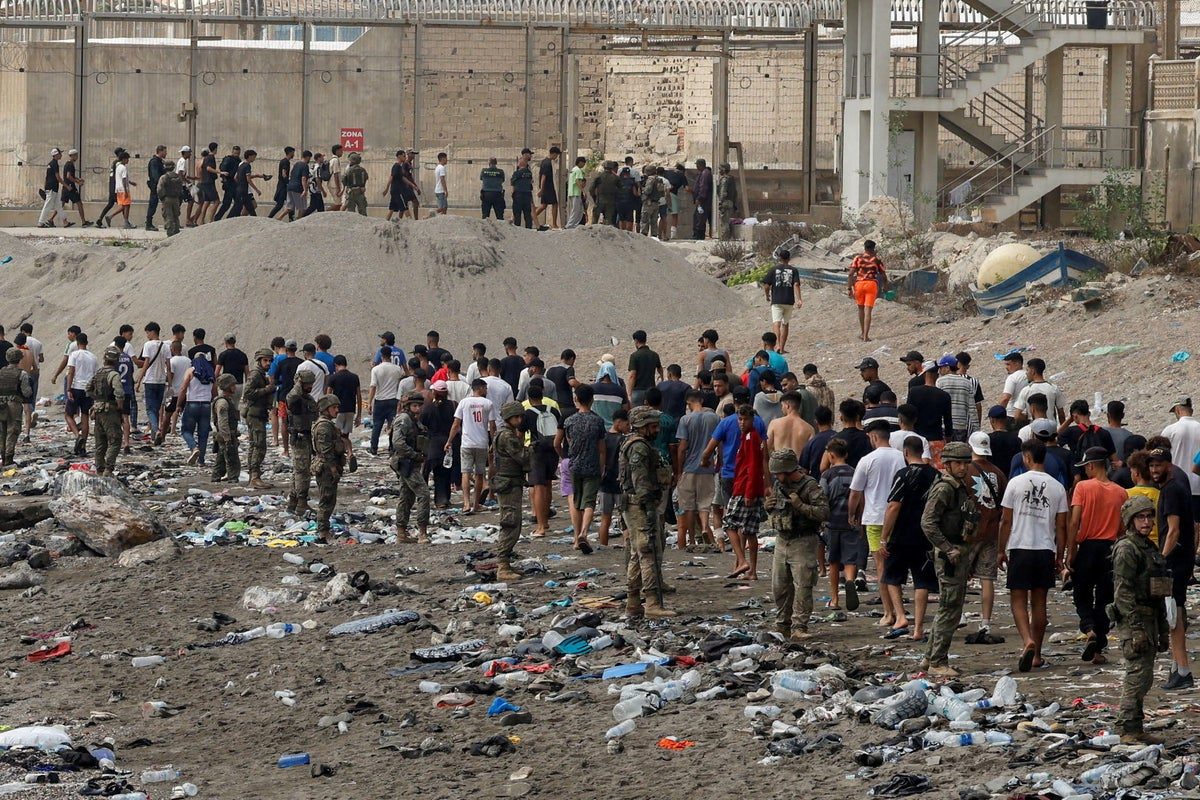
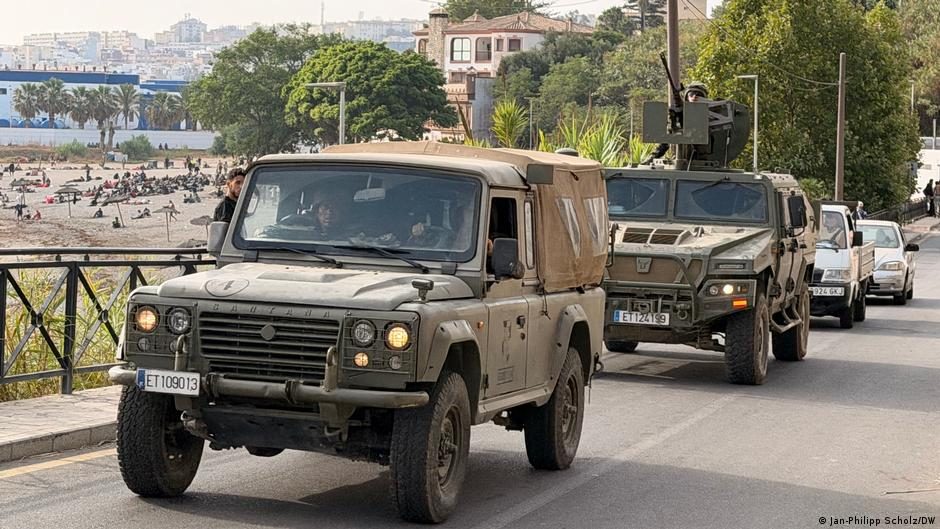
Around 60,000 migrants breached the border into Spain’s North African exclave of Ceuta this week, prompting Italy to temporarily suspend the Schengen agreement with Spain. Spanish officials confirmed 67 people died during the mass incursion, while 48,300 migrants had returned to Morocco by Friday evening.
Italy’s one-month suspension of free travel, effective Saturday, closed maritime and air entry points to non-EU citizens arriving from Spain. Prime Minister Giorgia Meloni called the scenes "shocking," framing the move as an "extraordinary measure" to safeguard national security. Denmark and Finland also demanded a review of Spain's Schengen participation, while France and Portugal deployed hundreds of additional officers to their borders with Spain.
Spanish Prime Minister Pedro Sanchez condemned the backlash, demanding an urgent video summit of EU interior ministers. "In the current international context, the European Union cannot afford this kind of selfish, polarizing and unlawful reaction," Sanchez wrote to EU leaders. He noted that while solidarity was optional, "respect for European treaties… is not."
The mechanics of the breach
Spain’s Foreign Minister Jose Manuel Albares pushed back against claims that the Schengen zone was compromised. He argued that the area's integrity was "absolutely guaranteed" because passengers traveling from Ceuta or Melilla to mainland Spain must pass police identity checks. Italy's foreign ministry clarified that European citizens would not be impacted by the targeted checks.
Authorities traced the sudden surge to misinformation surrounding a recent Spanish Supreme Court ruling. The court determined that migrants arriving by sea could not be summarily deported, unlike those crossing by land. Sanchez said human smugglers exploited this, spreading false rumors "like wildfire" that deceived young people, with official data showing a quarter of Moroccans aged 15 to 24 are out of work and not in education.
Despite buses and trains transporting migrants back to Tangier, thousands remain stranded in Ceuta, with reports of people drinking from beach showers after days without food. Germany's Friedrich Merz called on Morocco to accept the returnees "without delay." For the broader European economy, the sudden re-emergence of internal border checks is a stark reminder of the fragility of the Schengen zone, which underpins the frictionless trade and labor mobility essential to the EU single market.