Before You Hit Upload: What a Self-Released Single Really Costs
As technology and distribution get sleeker and more accessible year after year, artists landing in Amsterdam for ADE might wonder: what does it actually take, financially speaking, to drop a record independently? Digital aggregators make hitting “upload” seamless, but costs add up quickly once you f Before You Hit Upload: What a Self-Released Single Really Costs
As technology and distribution get sleeker and more accessible year after year, artists landing in Amsterdam for ADE might wonder: what does it actually take, financially speaking, to drop a record independently? Digital aggregators make hitting “upload” seamless, but costs add up quickly once you f
As technology and distribution get sleeker and more accessible year after year, artists landing in Amsterdam for ADE might wonder: what does it actually take, financially speaking, to drop a record independently? Digital aggregators make hitting “upload” seamless, but costs add up quickly once you factor in studio hardware, premium plugins, and a targeted promo push.
Let’s break down the realistic overhead for electronic music producers aiming to put out release-ready tracks. We’ve split it into two buckets: the studio you buy once, and the costs you pay every time you release.
Prices are US list prices as of September 2026 unless noted. EU prices usually differ once VAT and exchange rates come in, so check your local store before buying.
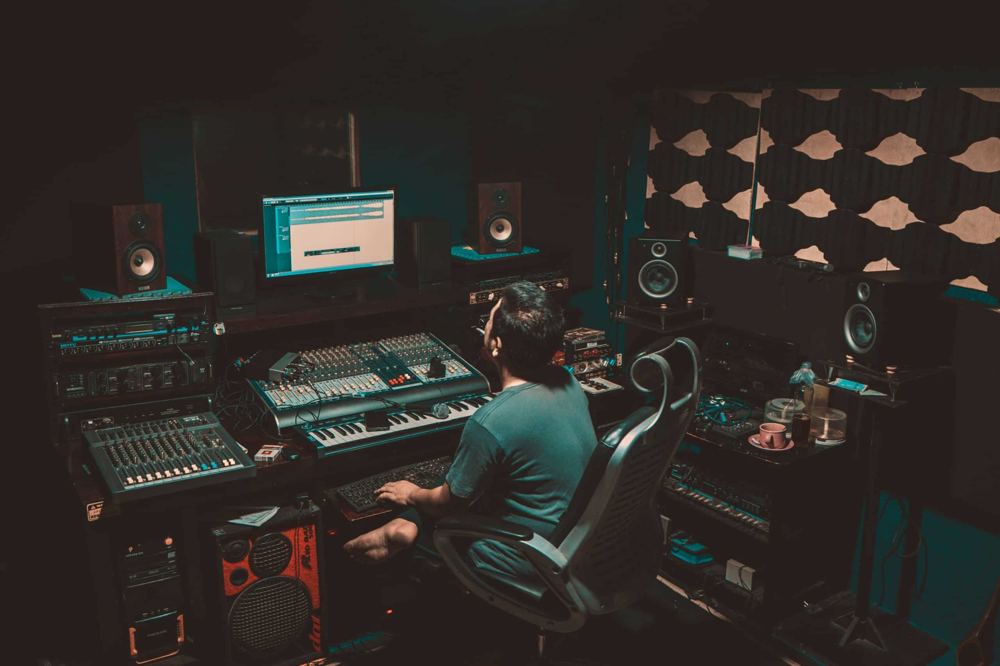
Before you start thinking about release parties or ADE networking panels, your track needs to exist. Building an effective production rig requires a capable laptop or desktop, a stable Digital Audio Workstation (DAW), essential plugins, an audio interface, studio monitors, and reliable reference headphones. Processing power and RAM are non-negotiable when loading complex synths, heavy sample libraries, and multi-layered channel strips.
Your computer will be your largest single investment, ranging from about $600 to $3,500 depending on your platform. Custom PC builds offer modular upgrades as your production scales, making a $600 base rig a solid starting point. On macOS, Apple’s new M6 Mac mini starts at $899, the cheapest way into the ecosystem. Expect to spend more for a laptop you can carry between sessions.
If you’re working in an untreated bedroom, buy headphones first. A bad room will mislead you more than budget speakers will, so the smart order is headphones, then monitors, then acoustic treatment.
Choosing your primary environment shapes your entire studio workflow. For electronic music creators, Ableton Live remains the default standard across dance floors and studio setups worldwide. Ableton Live 12 starts at $99 for Intro, with Standard at $439 and the complete Suite at $749. Ableton also sells Suite rent-to-own over 24 monthly payments.
FL Studio, a longtime favorite among dance producers, starts at $99 and includes lifetime free updates, so you never pay for a new version. Image-Line also runs a rent-to-own plan: after 12 payments, the license is yours.
Free or lightweight options like GarageBand, Reaper, or Audacity provide entry points, but some impose limits on track counts and advanced routing. Keep ecosystem advantages in mind: sharing project files or collaborating with fellow artists in Amsterdam is significantly easier when working within widespread DAWs like Ableton, Logic, FL Studio, or Pro Tools.
Plugin choices vary wildly based on taste, genre, and production philosophy. Modern DAWs ship with stock instruments and audio effects fully capable of producing club-ready tracks. However, expanding your sound palette with specialized third-party tools is where expenses can accumulate.
Samples are another recurring line. Splice’s entry Sounds+ plan is $12.99 a month for 100 credits, at one credit per sample, and everything on it is royalty-free and cleared for commercial release. Using cleared sounds now saves you a legal headache after the track is out.
Don’t pay full price. Plugin developers discount constantly: Soundtoys’ own store has had that $599 bundle on sale for $299. Black Friday, traditionally the biggest plugin sale of the year, lands about a month after ADE. Build your wishlist now and buy in November.
Once the arrangement and mixdown are locked, you face crucial post-production choices. Most electronic producers mix their own records, since the mix is part of the sound. If you do hire out, independent mix engineers in the UK typically charge £150 to £300 per track.
Mastering is where more producers spend. Deciding whether to master the release yourself or hire a dedicated engineer directly affects both how your track translates and your budget. Mastering for club systems requires specialized acoustic treatment and trained ears; an independent mastering engineer typically runs $50 to $200 per track, with high-profile engineers charging premium rates. For a sense of the top end, Abbey Road’s online mastering service starts at £90 per song before VAT. Alternatively, learning to self-master saves money and sharpens your technical skills for future releases.
When you book an engineer, tell them the track is built for club play and send a reference from a DJ whose sets you’d want it to sit in. It costs nothing, and it gets you a better master.
Delivering your final master to global audiences means choosing a distributor (sometimes called an aggregator) to get your music onto Digital Service Providers (DSPs) like Spotify, Apple Music, and Deezer. Platforms like SoundCloud, Bandcamp, and YouTube let you upload directly for free and remain essential for fan engagement, but the major streaming services only take music through a distributor.
Basic plans are cheap. DistroKid’s Musician plan is $24.99 a year for unlimited uploads, CD Baby charges $9.99 per single with no annual fee, and RouteNote’s free tier charges nothing up front in exchange for 15% of your revenue. Getting on Spotify costs less than a round of drinks in Amsterdam. Getting heard is where the money goes.
“Getting on Spotify costs less than a round of drinks in Amsterdam. Getting heard is where the money goes.”
Read the fine print before you pick one, because club releases have needs the cheapest tier won’t cover:
Getting onto streaming services is easy; standing out is not. Streaming services received an average of 106,000 new tracks a day in 2025, according to Luminate, and 88% of all tracks on those services drew fewer than 1,000 streams all year. Targeted social ad campaigns ($100 to $300) can seed early momentum and drive listeners to your streaming links. For club records, DJ support matters as much as streams: getting promos to the right DJs, through a promo service or your own mailing list, is how a track ends up in sets. Beyond basic self-run ads, boutique PR agencies, DJ promo services, or influencer campaigns quickly push marketing budgets past $1,000 per release cycle.
Once your studio is paid for, a single can cost as little as $100 to release, or well over $1,000. Here’s how the per-release costs above stack up at three levels of ambition:
Totals leave out artwork and assume the gear, DAW, and plugins from sections 1 to 3 are already covered. Distribution fees are annual, so releasing more often lowers the cost per single.
Independent producers have more control over their releases than ever, but DIY success depends on spending smart. Starting from nothing, a bare-bones rig (a $600 PC, a $120 interface, $99 headphones, and a $99 DAW) comes in under $1,000. After that, releasing a polished single can cost as little as $100 if you master it yourself and run lean promo. Stack premium plugins, professional mastering, and PR campaigns, and single-release costs easily climb past $1,000. Fortunately, core hardware and software investments carry long-term value across your entire discography.
Beyond the financial ledger, independent release success relies on persistence, continuous skill development, and strategic networking, qualities on full display throughout ADE. So before you hit upload, know what you’re paying for and spend where it counts: your gear, your mixdowns, and your campaign. Do that, and your music has a real shot at the dance floors it was made for.