Open-label placebos boost elderly memory, Italian study finds
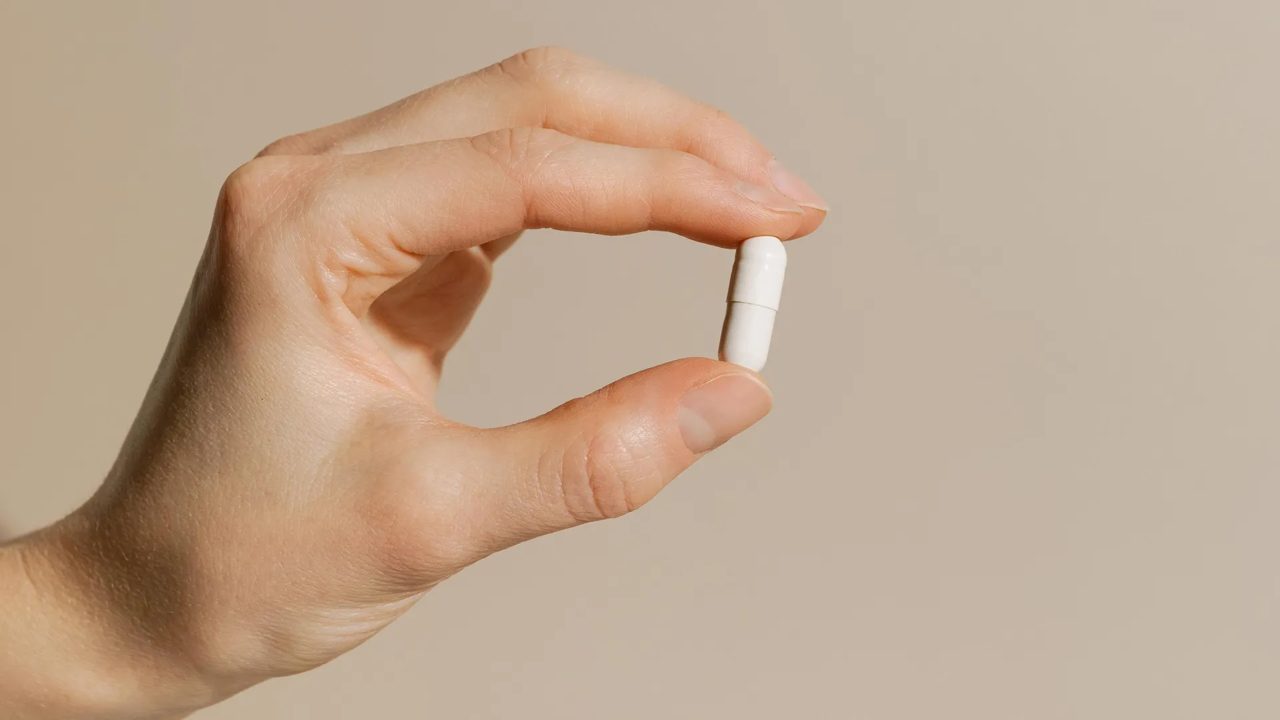
Older adults who knowingly took inactive pills for three weeks showed measurable improvements in memory and physical performance, pointing to a zero-cost intervention for Europe's ageing population.
Researchers at the Università Cattolica in Milan have found that giving healthy older adults placebo pills—even when they knew the pills were entirely inactive—led to measurable improvements in memory, movement, and stress levels after just three weeks.
The randomised controlled trial divided 90 healthy older adults into three groups. One received no treatment, a second was given a fake supplement they believed contained active ingredients, and the third was openly told they were taking an inactive placebo that might still trigger a beneficial mind-body response.
Both placebo groups experienced gains in cognitive and physical performance, but the most striking results came from the open-label group. Participants who knowingly took the fake pills saw their physical performance increase by 9.2 per cent, slightly outperforming the 7 per cent gain in the deceptive placebo group.
Cognitive improvements were even more pronounced. Depending on the specific test measuring short-term memory and selective attention, scores for the open-label group jumped by between 6.9 per cent and 21.5 per cent. The deceptive placebo group saw gains of 12.6 per cent to 14.6 per cent. Furthermore, participants who knew they were taking a placebo reported the lowest stress levels of any group, alongside reductions in drowsiness.
"These are significant effects," said Francesco Pagnini, a Full Professor of Clinical Psychology at the university who led the study. "Comparable to those seen in some experimental studies on physical activity regarding physical performance and cognitive training, especially with regard to memory."
The findings carry notable implications for public health systems across Europe, where governments are seeking cost-effective ways to maintain the physical and mental capacity of an ageing citizenry. The study was supported by PNRR grants through the Age-IT project, a continental initiative focused on extending healthy lifespans.
Traditional medical interventions and structured physical training programmes are expensive to scale. By contrast, an open-label placebo strategy requires no active pharmaceutical ingredients, making it an exceptionally cheap potential intervention.
Researchers emphasised that the results add to growing scientific evidence that self-perception and psychological state directly influence physical and cognitive decline. "The study is part of an established line of research in which we analyze the role of the mind in aging processes, which is very important," Pagnini noted.
Because open-label placebos do not require deceiving patients, researchers argue they represent an ethically acceptable strategy for supporting healthy ageing. For policymakers and healthcare providers, the research suggests that the powerful connection between the mind and the body could be leveraged as a practical, low-cost tool in preventative elder care.