CDU parliamentary leader Spahn quits over surrogacy row
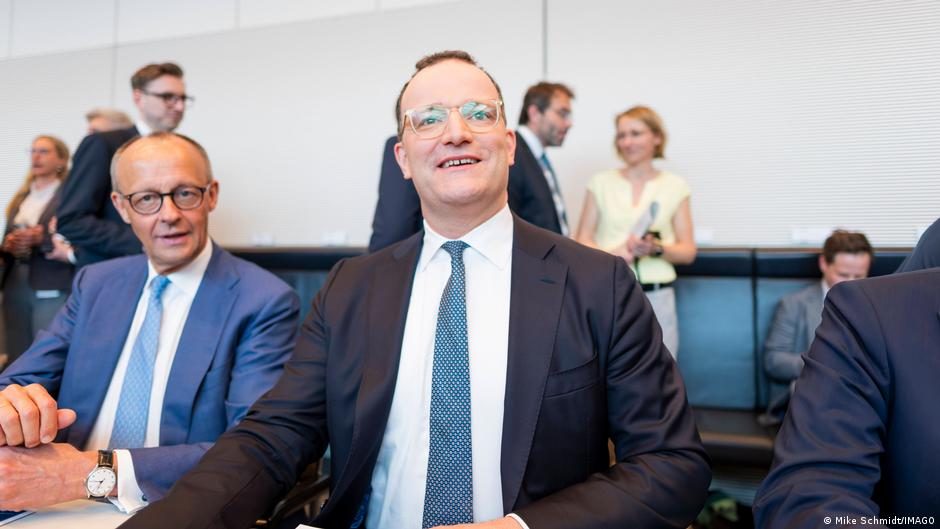
The abrupt resignation of Chancellor Friedrich Merz’s top parliamentary ally over a surrogacy scandal forces a leadership reshuffle in Germany’s ruling conservative bloc, creating a legislative hurdle for Europe's largest economy.
Jens Spahn stepped down as the parliamentary leader of Germany’s ruling conservative bloc on Saturday after facing intense backlash for having a child via a surrogate in the United States. Chancellor Friedrich Merz, who requested the resignation, called the move "unavoidable" and the "right" decision. The departure strips Merz of his chief legislative tactician just months into his chancellorship.
The controversy erupted earlier this week when Spahn, 45, and his husband Daniel Funke announced the birth of their child on social media. Because surrogacy is illegal in Germany and actively opposed by the Christian Democrats (CDU), critics across the political spectrum accused Spahn of double standards. The backlash intensified after it emerged that Spahn had previously spoken out against the practice.
In a podcast interview with Germany's Bild newspaper on Friday, Spahn said he had "wrestled with myself for a long time, including on the issue of surrogacy." Bild also reported that the surrogate mother was four months pregnant when Spahn contacted her. In a statement on Saturday, Spahn said: "In recent days, I have come to realize that my personal happiness in starting a family with my husband and becoming a father is incompatible with my political office."
While Spahn will face no legal consequences in Germany for raising a child born abroad to a surrogate, the political damage proved terminal. His exit triggers an immediate power realignment within the conservative union, introducing instability into the legislative machinery of Europe’s largest economy. As the chief parliamentary enforcer, Spahn was responsible for steering the government’s agenda through the Bundestag, making his sudden absence a logistical hurdle for Merz’s administration.
Merz must now navigate this vacuum by working with Markus Söder, the leader of the Bavarian Christian Social Union (CSU), to put forward a proposal for a new parliamentary group chair. The selection of a successor will dictate the dynamics between the CDU and its sister party as they negotiate future legislation. "The procedure and timeline will now be coordinated with the party and parliamentary group committees," Merz said.
The downfall marks a sharp reversal for a politician once viewed as a rising star within the conservative faction. Spahn had been re-elected as parliamentary group leader with 85% of the vote as recently as May. His political survival was previously tested during his tenure as health minister during the COVID-19 pandemic, when he faced an investigation for alleged misuse of public money, though state prosecutors dropped that probe in March.