Waymo outage pause sparks fresh San Francisco regulatory push
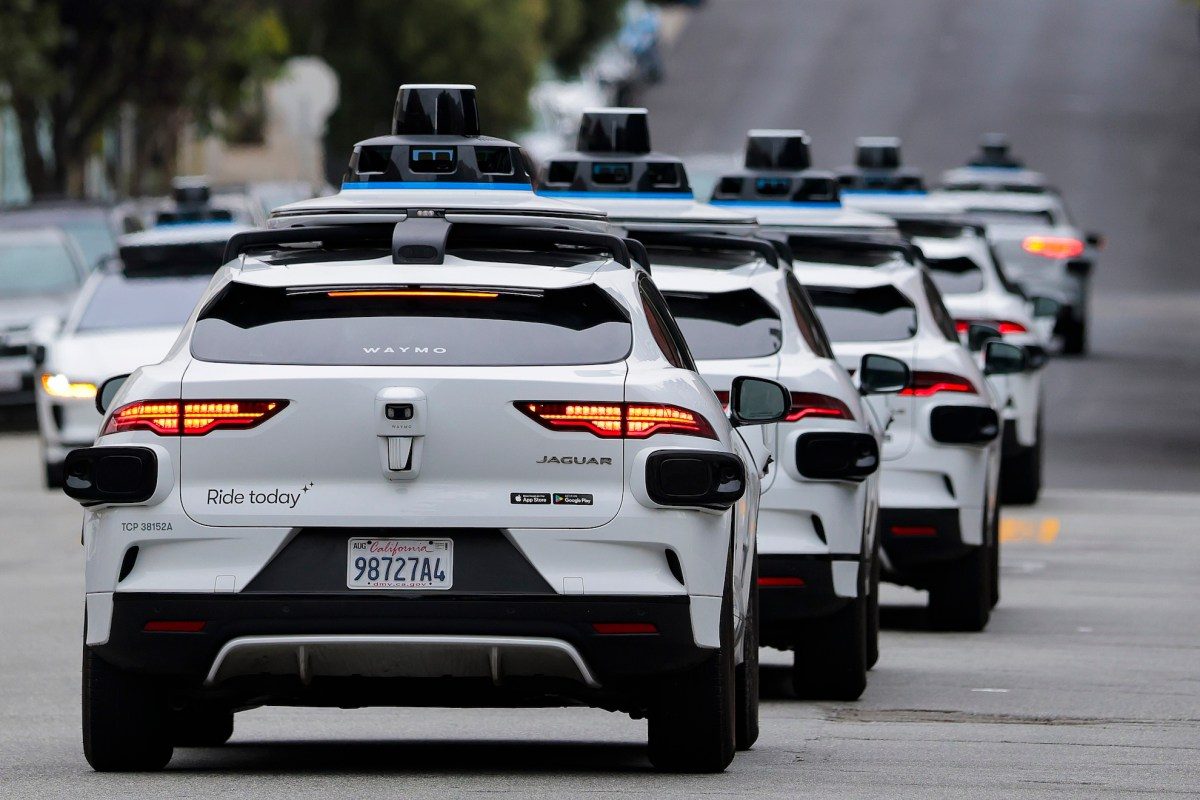
Alphabet's Waymo halted robotaxi operations in San Francisco for an hour during a power cut, a recurring vulnerability that has prompted the city's mayor to demand stricter state rules on autonomous vehicles.
Alphabet-owned Waymo suspended its robotaxi operations in San Francisco for approximately one hour to assess a power outage that affected around 7,000 customers of local utility PG&E. During the disruption, the company notified riders that service was "temporarily paused" and that "freeway routes are unavailable," before making adjustments to restore operations.
A Waymo spokesperson stated the company "decided to pause service for approx. one hour to assess the scale of the power outage affecting a large portion of San Francisco and coordinate with local officials." In a separate statement, the spokesperson added, "We are making temporary adjustments to our service while we monitor local conditions. We know riders depend on us, and we will return to normal operations as soon as possible."
The vulnerability of autonomous fleets to local infrastructure failures is becoming a persistent issue. Power outages have affected Waymo service in the past, most notably when a number of Waymo vehicles stalled on city streets during a blackout in December. A similar incident during a Golden Gate Bridge fireworks show on the Fourth of July paralyzed traffic.
For European investors and transport operators watching the global rollout of autonomous vehicles, these recurring incidents underscore a fundamental risk in the current business model. The commercial viability of robotaxis relies heavily on seamless availability. When local power grids experience instability, the resulting fleet paralysis damages public trust and forces operators to confront the operational risks of deploying vehicles in dense metropolitan areas.
For European regulators assessing the readiness of driverless technology, the San Francisco experience illustrates that capability in normal conditions does not easily translate to resilience during real-world urban emergencies. The repeated stalling of vehicles during blackouts highlights a dependency on local infrastructure that is not always guaranteed.
This operational fragility has now triggered a direct political backlash in a major testing market. San Francisco Mayor Daniel Lurie has called for tougher state regulations to "adequately address how autonomous vehicles operate during major incidents, planned or not."
Such regulatory tightening serves as a warning to the broader market. If operators cannot isolate their networks from municipal power disruptions, the path to widespread commercialization may be longer and more heavily restricted than investors currently anticipate.