Propane tanker struck off Romania heightens Black Sea trade risks
A commercial propane tanker was struck off the Romanian coast, wounding three people and underscoring the mounting risks to maritime energy trade in the Black Sea.
A liquefied petroleum gas tanker transporting fuel to Ukraine was struck in the Black Sea, wounding three crew members and triggering a major fire. The attack occurred outside Romanian territorial waters, roughly 20 nautical miles from the coast.
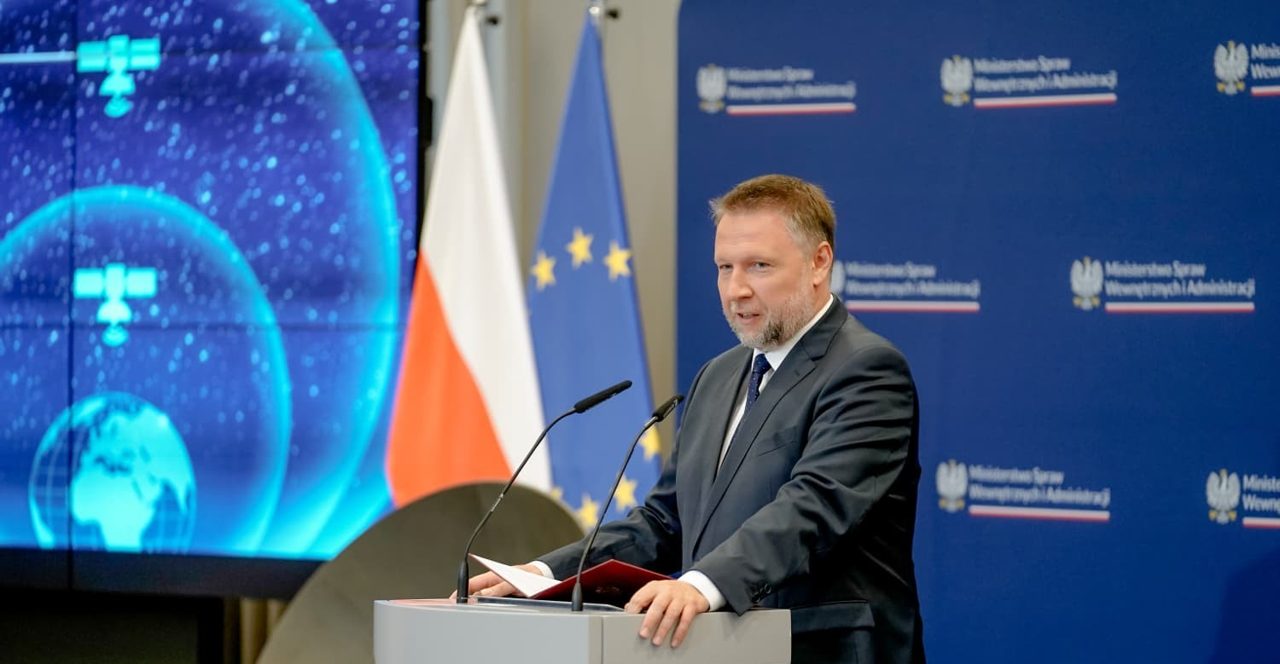
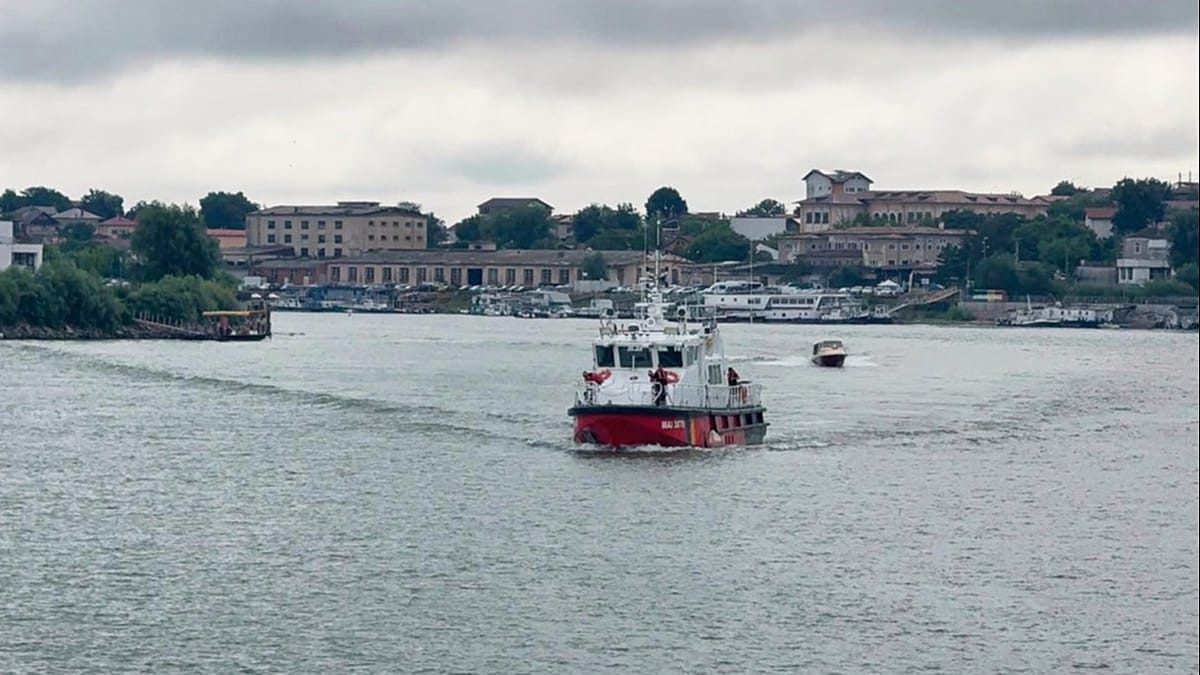
The vessel, the Liberian-flagged Gas Lisbon, had loaded more than 3,790 tonnes of propane in Alexandria before heading to the Ukrainian port of Reni on the Danube River. Romania's President Nicușor Dan confirmed the strike in a post on X, noting that rescue vessels evacuated the entire crew safely to shore.
"Last night, the LPG tanker Gas Lisbon, flying the Liberian flag, was struck outside Romanian territorial waters, approximately 20 nautical miles off the Romanian coast," Dan said. He labelled the event a "serious incident" and stated it was "most likely" a crime perpetrated by Russia.
For European commercial shipping, the strike highlights the persistent vulnerability of Black Sea energy corridors. Reni has become a critical alternative gateway for Ukrainian agricultural and energy imports since traditional ports were blocked. An attack on a chemical tanker so close to an EU member state's shores raises fresh questions about maritime insurance costs and the safety of commercial vessels operating in the western Black Sea.
Industrial targets in the crosshairs
The maritime strike coincides with an intensified aerial campaign across the region. Ukrainian officials reported that Russia fired 58 drones overnight, with air defences intercepting 46 of them. The barrages struck multiple areas, killing at least two people in Kherson and sparking major fires in Chernihiv and Sumy.
Ukraine has simultaneously pushed its offensive deep into Russian industrial territory. Ukrainian media reported that attacks in the early hours of Tuesday hit the NLMK steel plant in the western Russian city of Lipetsk, located about 400 kilometres from the border.
The facility is a cornerstone of Russia's domestic industrial base, accounting for roughly 20% of the country's steel output. Ukrainian reports indicate the plant supplies steel to companies involved in Russian missile production. While Lipetsk Regional Governor Igor Artamonov confirmed a fire at the industrial complex, he declined to publicly attribute the blaze to a Ukrainian attack.
The dual targeting of energy logistics and heavy industry signals that the economic infrastructure of the conflict is expanding. For European markets, the immediate concern remains the spillover effect of Black Sea instability on regional trade routes.