Poland enforces Tatra park rules after record tourism and Schengen ban
Polish authorities are deploying joint police and ranger patrols in the Tatra mountains to curb environmental damage from record-breaking tourist numbers, a move that highlights Europe's escalating struggle to balance tourism revenue with ecological preservation.
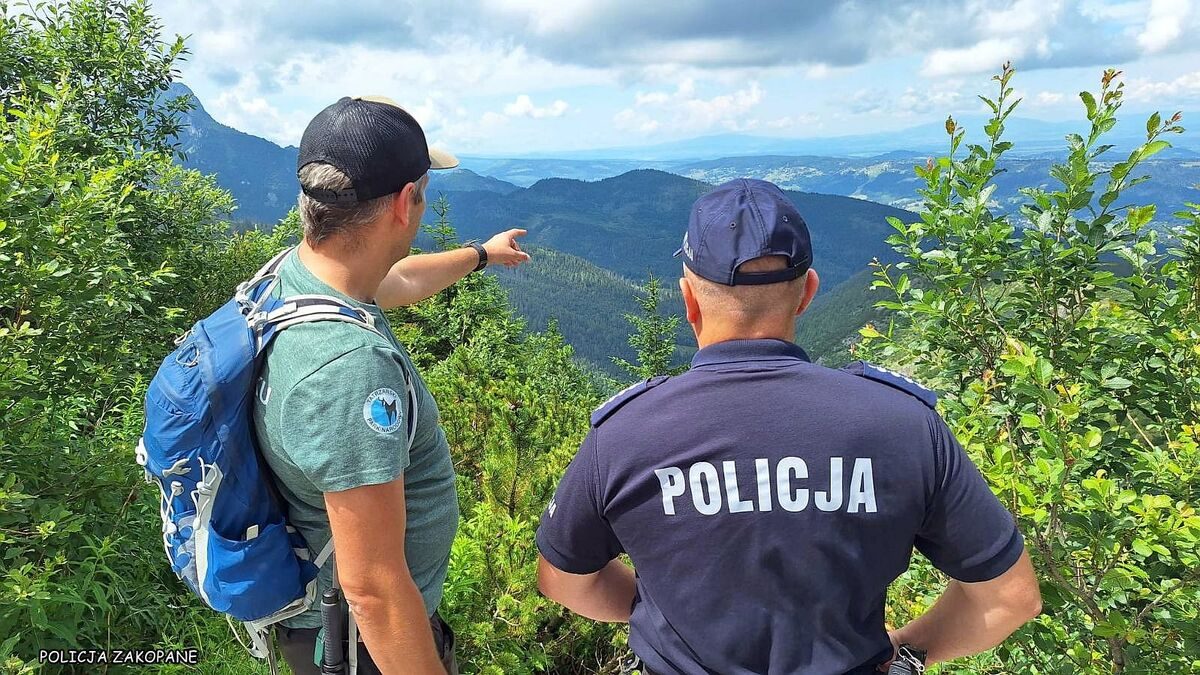
Polish police and Tatra National Park rangers have launched joint patrols along popular mountain routes to enforce strict environmental regulations during the peak summer season. The increased presence of law enforcement comes as local authorities struggle to manage surging visitor numbers.
The crackdown follows a series of high-profile violations that drew public outrage. Incidents include tourists bathing in protected alpine lakes and a Ukrainian social media influencer who illegally drove a sports car to the picturesque Morskie Oko lake. As a consequence of that stunt, the influencer was banned from entering Poland and all other Schengen Area countries for five years. In another case this month, a group of young Dutch tourists ignored witness warnings and bathed in Przedni Staw Polski in the Valley of the Five Lakes.
These infractions highlight the immense pressure on the Tatra National Park, Poland’s most visited protected area. The park, which borders Slovakia and features interconnected high-altitude routes, welcomed a record 5.3 million visitors in 2025. Sustaining that volume of tourism is becoming a significant public policy challenge.
Park authorities have emphasised that rule-breaking is not a victimless offence but a direct threat to the local environment and the economy it supports. “Tatra ponds are incredibly delicate ecosystems. Cosmetics, UV filters, insect repellents, and bacteria entering the water can have a long-lasting impact on its chemical composition and the organisms living in the lakes,” they warned.
During recent patrols, officers focused on education and prevention, reminding visitors to stay on marked trails and refrain from littering. They also verified that organised tourist groups were accompanied by qualified mountain guides, a legal requirement in the park. Fines for breaking these rules range from 50 zloty (€11.55) to 1,000 zloty (€231) for environmental damage or multiple offences.
While all visitors checked during the initial patrol were compliant, police confirmed that similar enforcement operations will continue on a regular basis. For European destinations grappling with overtourism, the Polish approach demonstrates a growing willingness to deploy border-level penalties to protect natural infrastructure.