Global attacks on medics double as international law loses its force
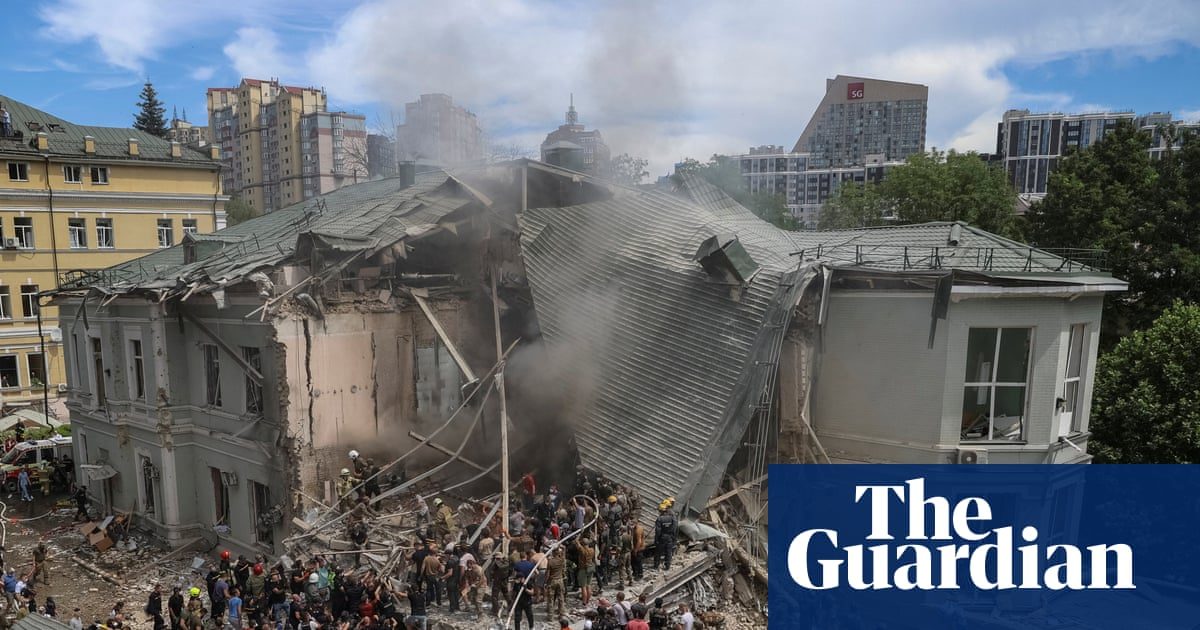
The killing of hundreds of medics in Lebanon and Gaza highlights a global collapse in the enforcement of international humanitarian law that threatens to normalize wartime atrocities on Europe's doorstep.
Global attacks on healthcare workers have more than doubled since 2021, with Palestine and Lebanon suffering the highest death tolls worldwide. Lebanon ranks second globally, with 569 medical staff killed in that five-year period. Since fighting escalated again in March, at least 135 Lebanese medics have been killed and nearly 400 injured, pushing the toll across recent conflicts close to 400.
These casualties are not accidental, but the result of consistent targeting. In southern Lebanon, responders face repeated "double-tap" strikes, where paramedics are hit after arriving at an initial airstrike site. In April, a "quadruple tap" in Mayfadoun killed four medics and wounded six as successive rescue crews were deliberately bombed.
This pattern of violence extends far beyond the Middle East, with hospitals and medical staff under unprecedented assault in Ukraine, Sudan, and Myanmar. In Gaza, the systemic degradation of infrastructure is particularly severe. Half of all hospitals are entirely non-functional, and the remaining 18 are only partially operating.
The erosion of these protections undermines the post-war security architecture built on the universally ratified Geneva Conventions, which establish clear rules for safeguarding medical facilities. “Such universal agreement is basically unheard of in international law,” says Natasha Sax, a legal expert with Médecins Sans Frontières. “The issue is a lack of will to implement it.”
A decade after the UN Security Council passed Resolution 2286 to condemn attacks on healthcare, that outrage has vanished entirely. “We once had condemnation, now we have normalisation,” says Sax. “It’s almost on a daily basis that healthcare is attacked. There is no outcry. The silence is shocking.”
When international agencies withdraw, local volunteers remain to face the lethal risks. Medics in southern Lebanon describe the strikes as a calculated attempt to degrade the ability to sustain life, forcing permanent displacement. Unpaid volunteers continue working despite the targeted killings of colleagues like Hafez Yahya, a 25-year civil defence veteran, and 16-year-old paramedic Joud Suleiman.
Existing accountability mechanisms remain deliberately unused. The Geneva-based international humanitarian fact-finding commission, founded in 1991, has launched investigations into just two localised incidents despite its broad mandate. Without political will from states to utilise these tools or refer cases to international courts, the legal frameworks protecting medics will remain unenforced.