UK PM Burnham anchors economic shift in Catholic social teaching
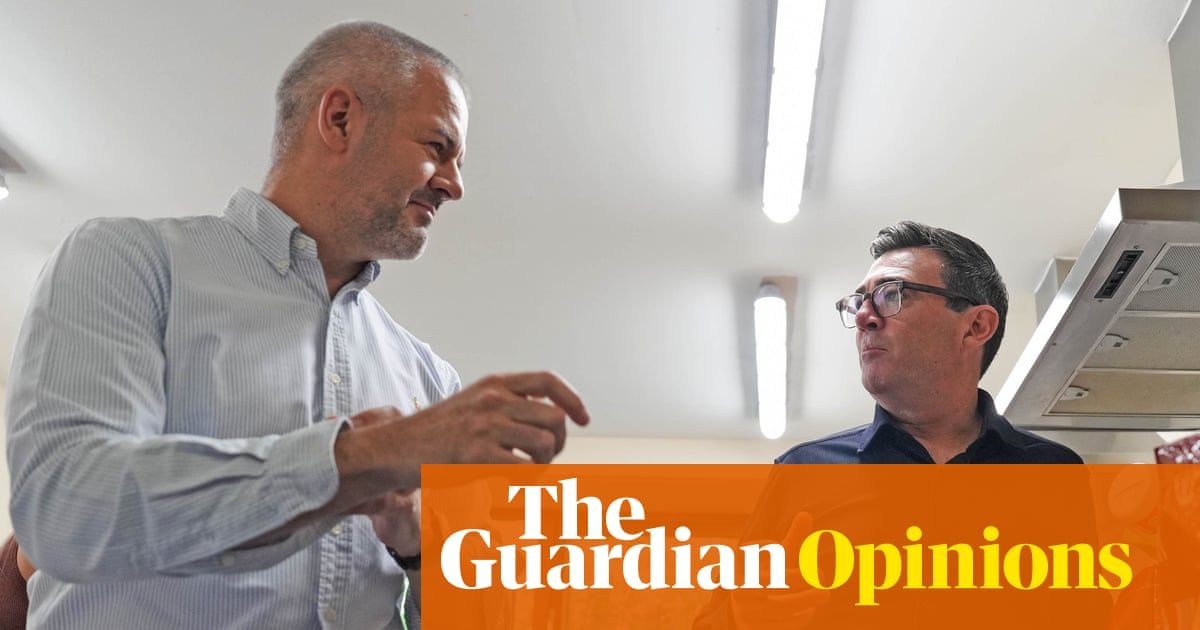
Andy Burnham has become the UK's first prime minister shaped by a northern Catholic upbringing, signalling a philosophical shift in the economy away from four decades of market individualism.
Andy Burnham has become the first British prime minister raised in a small-town northern Catholic environment, and he is explicitly using this background to shape his governing philosophy. Two weeks into his premiership, the impact of this socialisation is already visible in his policy priorities.
This development carries significant implications for the UK economy. Burnham has pledged to "roll back" 40 years of neoliberalism, positioning his administration as a direct counterweight to the economic theology of Margaret Thatcher. Where Thatcher used her Methodist worldview to champion the Protestant work ethic and strident individualism, Burnham is drawing on a different tradition.
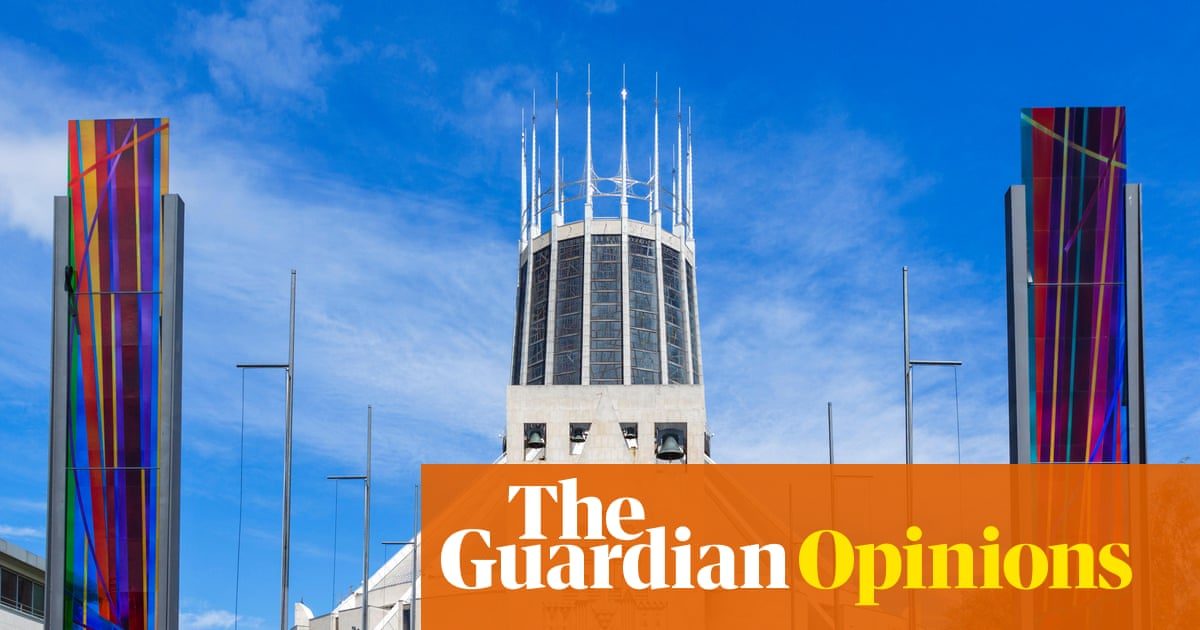
He speaks of "a direct read-across between what I was learning at … church and Labour values." During the 1980s, rather than absorbing Thatcher's assertion that "Economics are the method; the object is to change the soul," Burnham was immersed in the Catholic resistance led by the Archbishop of Liverpool, Derek Worlock. Worlock championed fraternity and mutual obligation, famously stating: "I am my brother’s keeper. And he’s sleeping pretty rough these days."
Today, this translates into specific economic interventions. The Catholic principle of the "dignity of work," elaborated in papal encyclicals like John Paul II’s Laborem Exercens, is now guiding government thinking on deindustrialisation and the future of artificial intelligence. It marks a departure from the meritocratic, aspirational economic creed that Labour adopted in the 1990s and 2000s, which alienated its traditional working-class base.
Furthermore, the principle of "subsidiarity"—the idea that power should not be hoarded at the top but devolved downwards—is becoming a hallmark of Burnhamism. This has clear ramifications for how public services are managed. His determination to present the crisis in social care as an issue to be collectively resolved relies on this decentralised model, rejecting both an overmighty technocratic state and the moral indifference of the free market.
The practical expression of these economic theories emerged on his first morning in office. Before routine government business, Burnham visited homeless people in central London, subsequently making the end of rough sleeping his first major policy announcement. While delivering this pledge faces practical difficulties, it signals a deliberate pivot toward the "common good." For a secular nation grappling with a cost-of-living crisis and degraded public services, Burnham is attempting to reframe economic discontent as a moral issue about how society is structured. He lists his core influences as "Everton FC, the Labour party and the Catholic church," suggesting an economic approach rooted in social institutions rather than individual wealth.