Miliband seizes EU talks from No 10, targets wealth tax at G20
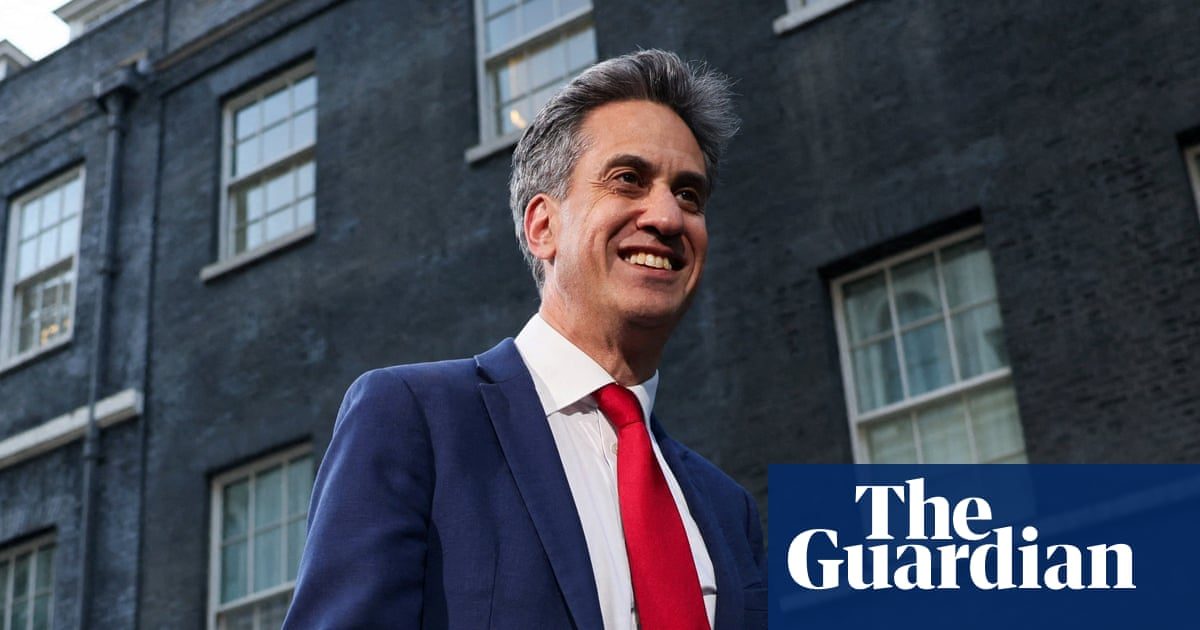
Ed Miliband is taking direct control of Britain's EU relationship away from Downing Street and preparing a global wealth tax push for the UK's upcoming G20 presidency, signalling a shift toward long-term European economic integration.
Ed Miliband is taking direct control of Britain’s relationship with the European Union, ending the Cabinet Office’s monopoly on negotiations. Working alongside Europe minister Hamish Falconer, the foreign secretary intends to give the Foreign Office greater influence over the UK’s most important economic and diplomatic tie.
Labour’s manifesto rules out rejoining the single market or customs union in this parliament. However, Miliband aims to shape longer-term thinking on where the UK-EU relationship should stand in 10 to 15 years, particularly regarding European defence. “Having a closer relationship with Europe is a key foreign policy priority to protect our national security and grow our economy,” an ally said.
Beyond Europe, Miliband is preparing for the UK’s G20 presidency next year, backed by former prime minister Gordon Brown as a special envoy. A key focus will be reviving the bloc’s economic relevance, starting with a December illicit finance summit. Central to this agenda is a proposed global wealth tax, championed by economist Gabriel Zucman, who found billionaires pay an average of just 0.3% tax on their wealth.
“There is overwhelming public support for this idea,” Zucman said. “Ten years ago, nobody believed 130 countries would support a minimum tax on multinationals. It was thought of as utopian.” Between 1987 and 2024, the wealth of the top 0.0001% grew by 7.1% annually, increasing their share of global wealth from 3% to 14%.
Domestic hurdles
Pushing for financial transparency presents an immediate contradiction for London. The secrecy of Britain’s overseas territories has long undermined the UK’s credibility on anti-corruption. Furthermore, the government's commitment to international development is under strain, with aid spending set to fall to 0.3% of GDP next year. Andy Burnham’s £2 bus fare cap is being funded by raiding the aid budget, complicating minister Kirsty McNeill’s efforts to build global alliances on debt relief.
Miliband also faces complex geopolitical headwinds that could test this economic agenda. Potential economic fallout from a war in Iran may soon demand the kind of international coordination the G20 was built to provide. At the same time, he must balance intense domestic pressure for sanctions on Israel over Gaza with the necessity of maintaining US support for Ukraine under the Trump administration.