Italian Short-Term Rental Market Prioritizes Historic and Experiential Properties
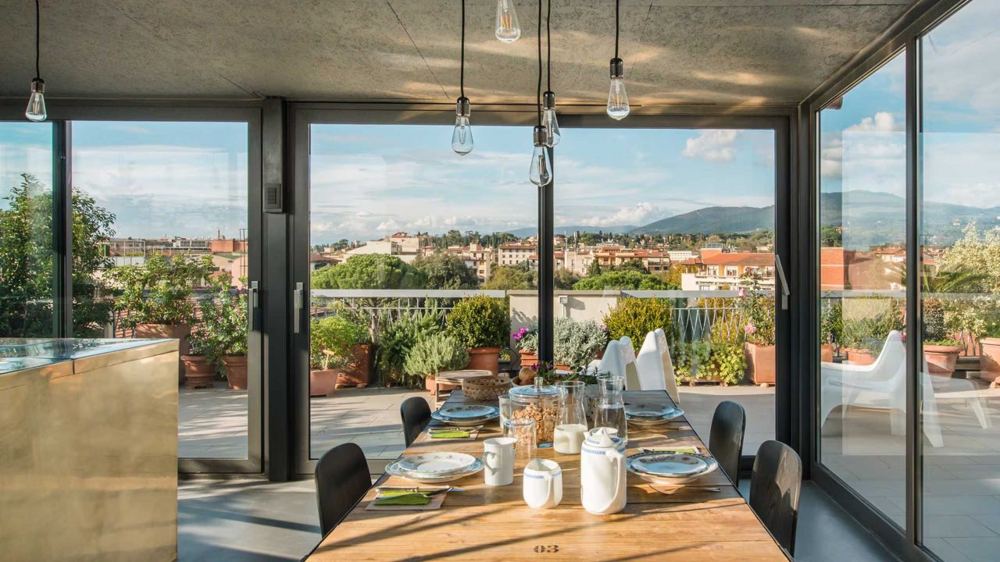
A recent curation of top-rated Italian vacation rentals highlights a market preference for historic estates and unique local experiences, signaling sustained demand for differentiated hospitality assets.
The short-term rental sector in Italy is increasingly defined by high-end, experience-driven properties rather than standard accommodations. A recent editorial curation of top listings across the country emphasizes assets with Superhost and Guest Favorite status, focusing on historic architecture and immersive local settings.
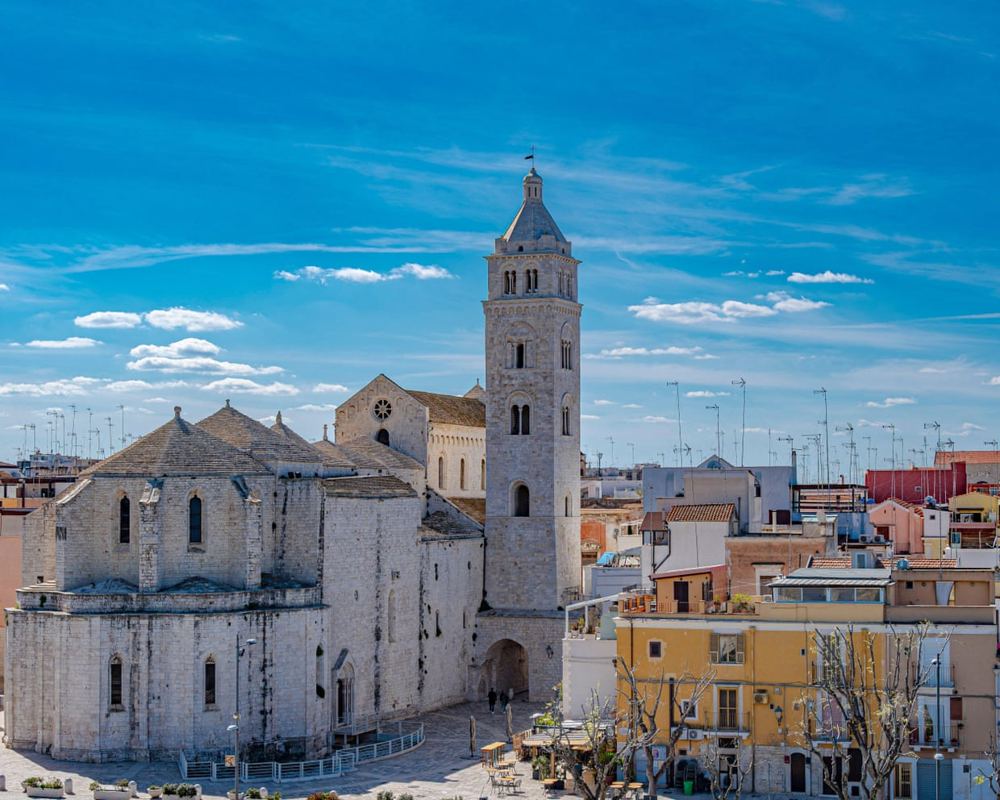
This trend is evident in the specific types of properties being highlighted for travelers. The curated selections range from a 16th-century estate in Arezzo, once owned by the aristocratic Ubertini family, to a 13th-century apartment featuring curved stone ceilings in Blevio, near Lake Como. These historic assets are marketed as gateways to the day-to-day life of Italian locals.
For property managers and real estate investors, the selection criteria point to the specific amenities that drive value in highly competitive tourist regions. Features such as private beach access in a six-bedroom Vassena villa, proximity to sweeping vineyards in Monte San Pietro, and authentic artistic decor designed by young Salento artists in Casamassella are leveraged to distinguish these rentals.
The geographic spread of these premium listings also reflects a strategic diversification beyond traditional, heavily touristed hubs. While a residence near Venice’s Piazza San Marco and a Milan apartment with a film library remain relevant, significant attention is directed toward secondary regions. An 18th-century Masseriola farmhouse near Ostuni in Puglia and a group-friendly chalet in the Dolomites illustrate this broader geographic appeal for vacation capital.
Furthermore, the operational details of these properties highlight the practical investments required to maintain top-tier ratings. A waterside villa in Fagetto Lario, capable of hosting 11 guests, requires substantial upkeep of its antique wall sconces and ornate armoires. Similarly, a one-bedroom home in Menaggio offsets a 150-stair hike with modern kitchens and on-property goats to justify its market positioning.
Ultimately, the emphasis on properties offering authentic neighborhood experiences suggests a market maturation. Travelers are prioritizing unique, well-located real estate, indicating that differentiated hospitality assets will continue to capture market share in Italy's competitive tourism economy.