Los Angeles hospitality market shifts to decentralized mid-tier dining
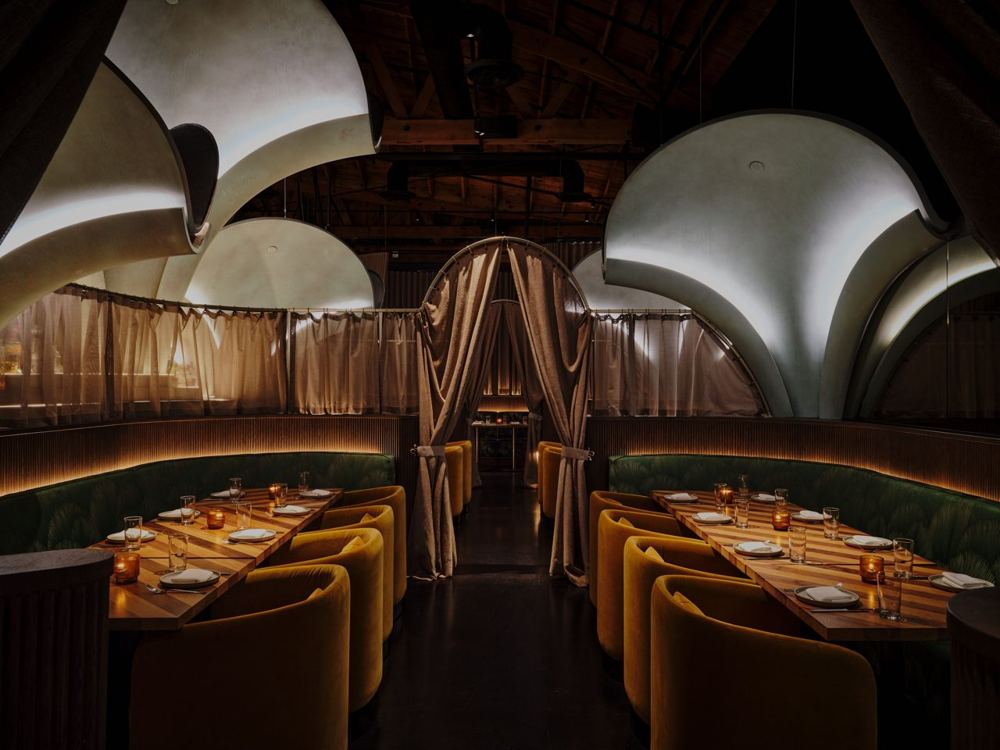
High-end culinary talent in Los Angeles is abandoning centralized fine dining for scattered neighborhood concepts, reflecting a broader consumer pivot toward accessible, hyper-specific mid-priced restaurants.
Los Angeles is experiencing a structural shift in its hospitality sector, moving away from centralized dining districts toward a decentralized network of neighborhood-specific restaurants. An industry guide to the city's top dining destinations highlights that the market is now defined by hyper-specific concepts scattered across distinct areas like Sawtelle, Venice, and East Hollywood.
This geographic fragmentation reflects a broader correction in consumer spending. Diners are increasingly bypassing traditional, high-priced tasting menus in favor of mid-tier establishments, with the vast majority of top-rated venues operating in the moderate price bracket.
The labor market for elite chefs is adapting to this demand by deploying high-level technique into casual formats. Culinary alumni from established institutions like the French Laundry, Daniel, and Stockholm’s Restaurant Frantzén are now applying rigorous training to accessible comfort foods. Even pandemic-era pop-ups have scaled into permanent fixtures, with operators winning the 2026 Michelin Guide Most Promising Young Chef Award while maintaining inexpensive signature items like beer-battered fried fish sandwiches.
In Sawtelle, chefs are utilizing fine-dining backgrounds to elevate Korean dishes like stone pot steak tartare. Similarly, in Beverlywood, Nordic techniques such as fermenting and curing are being applied to local Californian produce, replacing the need for formal pairings with flexible by-the-glass wine programs.
The market is also capitalizing on the city's diverse demographics to drive revenue across multiple districts. Operators are finding success by blending global traditions with local ingredients, ranging from modern Afro-Caribbean menus in Fairfax to coastal Mexican cuisine in Venice. In Chinatown, chefs are combining fine-dining training with family recipes to redefine Chinese American food, while East Hollywood venues are drawing crowds with retro-modern Middle Eastern dishes like shawarma.
For investors and hospitality groups, the current landscape suggests that future growth relies on authenticity and localized appeal. The most successful new ventures are those that abandon generic luxury in favor of highly specific, neighborhood-rooted identities that resonate with local communities rather than transient tourists.
I prefer this response